




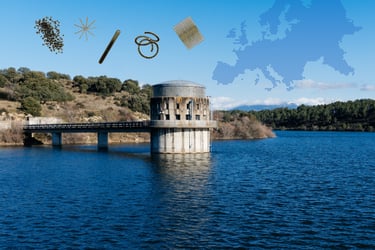
Climate change, eutrophication, and harmful algal blooms are changing how Europe's lakes and reservoirs are monitored. Monitoring programs need …
Read Post
July is Lakes Appreciation Month! The Maine-based FlowCam team is showing our appreciation for our favorite lakes and ponds by highlighting the …
Read Post

As the summer heats up, communities across the United States are cooling off and having fun on the water. Canoeing, kayaking and paddleboarding are …
Read Post
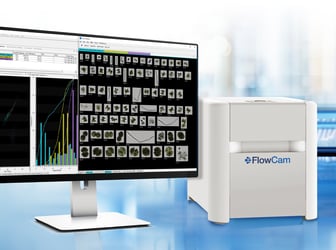
Monitoring algae and plankton communities is central to understanding water quality, ecosystem health, and the early warning signs of harmful algal …
Read Post

Protecting drinking water sources has become more complex as utilities face increasing pressure from nutrient loading, warmer temperatures, and more …
Read Post
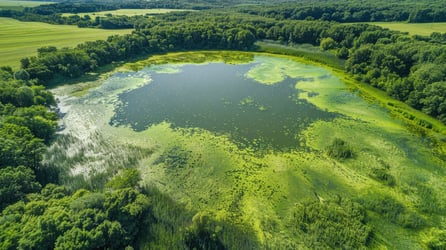
Eutrophication, a process where a body of water becomes overly enriched, is an ecological challenge that threatens the vitality of aquatic ecosystems …
Read Post

Advanced technology redefines how water quality is measured. Flow imaging microscopy (FIM) equips public water utilities with precise tools to tackle …
Read Post
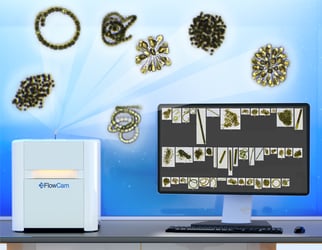
The annual Water Quality Technology Conference is always a great opportunity to meet with customers and share new research. At a recent meeting, …
Read Post
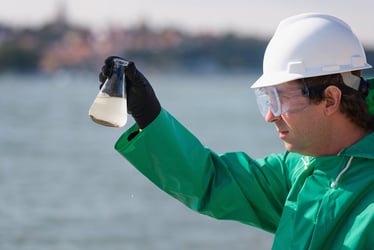
Detecting nuisance algae, specifically harmful algal blooms (HABs), in drinking water systems is a growing concern. These blooms can lead to water …
Read Post
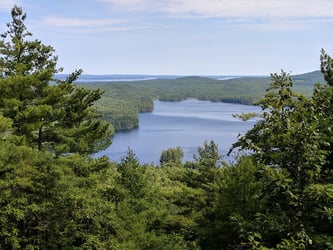
We recently connected with Ben Peierls, Research Director, and Maggie Welch, Staff Limnologistat Lakes Environmental Association in Bridgton, …
Read Post
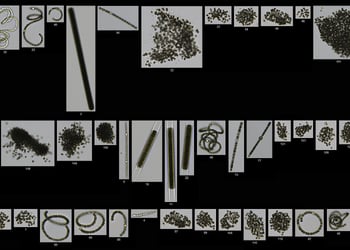
Our ability to predict and prevent harmful algal blooms is directly related to our ability to research and understand cyanobacteria. Numerous studies …
Read Post
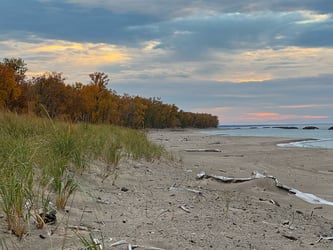
The annual North American Lake Management Society Conference (NALMS) is a meeting held near and dear by the attendees who make the trip to visit …
Read Post