




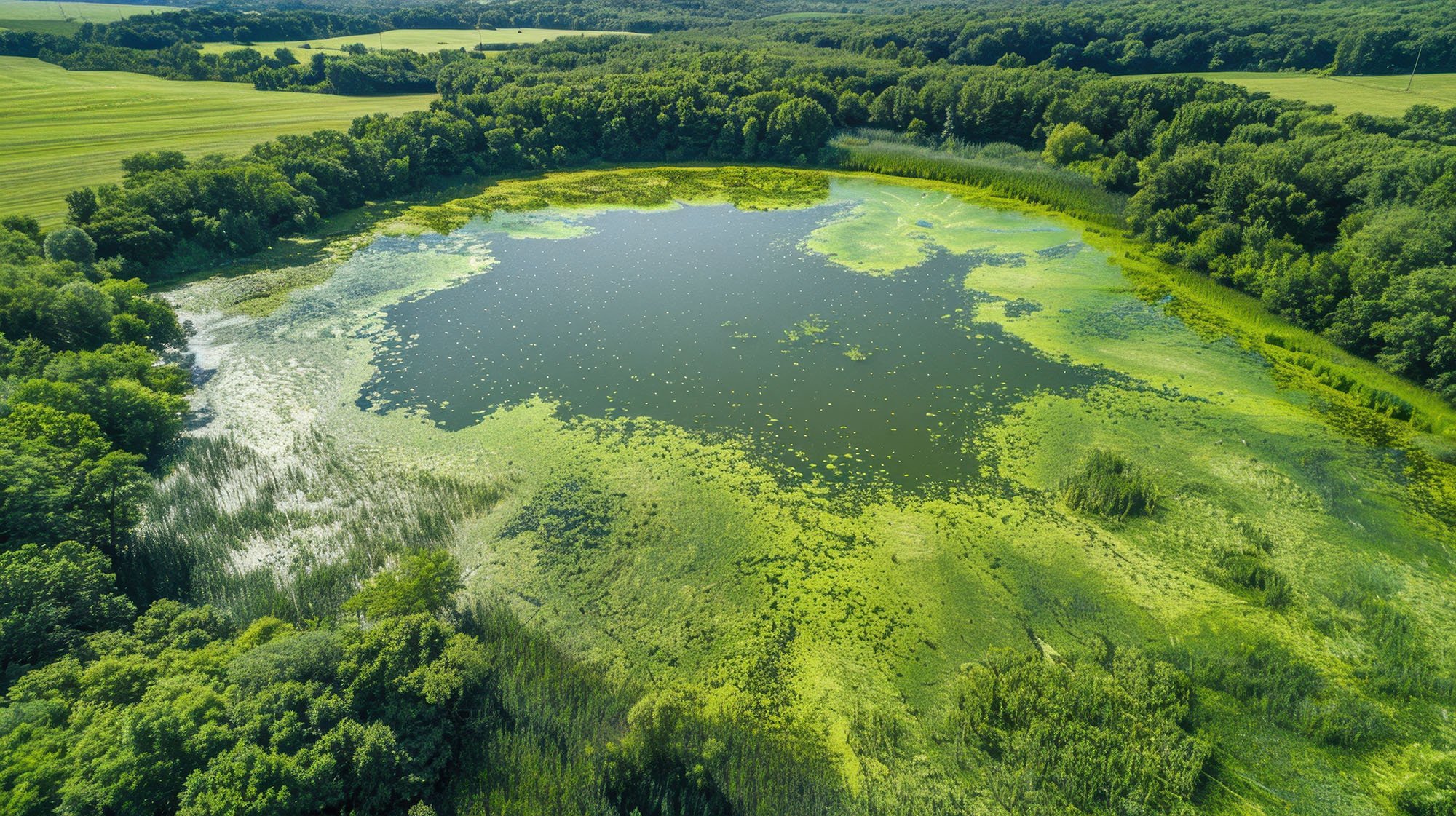
Eutrophication, a process where a body of water becomes overly enriched, is an ecological challenge that threatens the vitality of aquatic ecosystems worldwide. Primarily driven by runoff carrying agricultural fertilizers rich in nitrogen and phosphorus, eutrophication accelerates algal growth in aquatic environments, resulting in harmful algal blooms (HABs), oxygen depletion, and severe disruptions to aquatic life. Monitoring this process is critical for mitigating its environmental and economic consequences.
The Problem of Eutrophication
Eutrophication occurs when excess nutrients from fertilizers enter rivers, lakes, and coastal zones. These nutrients fuel the rapid proliferation of algae, some of which are toxic, threatening biodiversity and aquatic health. The cascade of effects includes:
- Deoxygenation: Decaying algae consume oxygen, suffocating marine life.
- Economic Losses: Fisheries, tourism, and water treatment operations incur significant costs.
- Health Risks: Toxins from algal blooms contaminate drinking water sources.
Understanding the progression of eutrophication requires effective monitoring systems that provide real-time, accurate data on nutrient levels and algal composition.
Limitations of Traditional Monitoring Methods
Historically, scientists have relied on tools such as chemical nutrient analysis and chlorophyll measurements to assess eutrophication. While these methods are invaluable, they present notable challenges:
- Non-Specific Data: Nutrient concentration alone doesn’t reveal which algae are present.
- Delayed Results: Laboratory analysis can introduce lags in critical data.
- Insufficient Granularity: Traditional methods struggle to identify drivers of harmful blooms or to track trends in particulate matter.
These gaps necessitate more sophisticated tools capable of detailed and prompt insights into eutrophication dynamics
The Role of Flow Imaging Microscopy in Monitoring Eutrophication
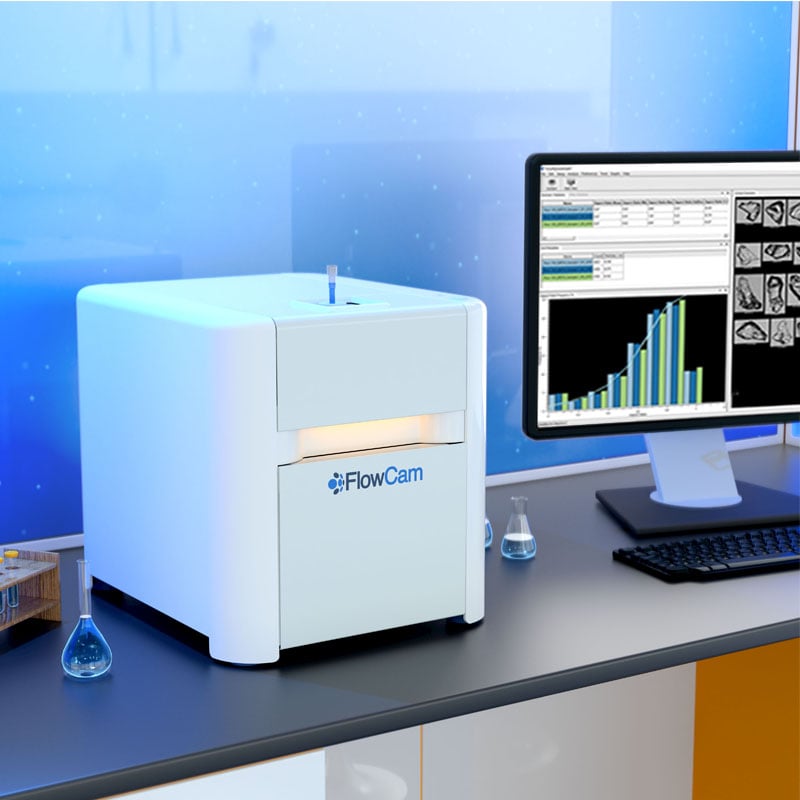
Flow Imaging Microscopy (FIM) has proven pivotal in eutrophication monitoring and related studies, enabling comprehensive analysis of water samples by integrating high-resolution imaging and particle analysis. We explored how FIM works in depth in a previous article, but here's a brief recap of the process and its advantages.
How FIM Works
- Captures microscopic images of particles in water, such as algae, zooplankton, and detritus.
- Analyzes the size, shape, and composition of suspended particles with precision.
- Provides species-level identification of phytoplankton and cyanobacteria—the culprits of HABs.
Advantages of FIM
- Specificity: Distinguishes between harmful and benign algal species, thereby supporting targeted interventions.
- Quantitative Insights: Delivers robust data on particle distribution, correlating directly with nutrient enrichment.
- Real-Time Monitoring: Provides immediate results, which are critical for proactive management.
Download HAB Monitoring Application Note
Key Applications of FIM in Eutrophication Studies
Species Identification
Rapid identification of harmful algae, such as Microcystis or Anabaena, is vital for mitigating blooms. FlowCam enables researchers to detect these species early, preventing ecological damage.
Nutrient Source Tracking
By analyzing algal growth patterns, FIM helps trace nutrient origins, such as agricultural runoff or urban wastewater, enabling targeted mitigation strategies.
Evaluating Remediation Efforts
From buffer zones to aeration systems, remediation efforts aim to restore water quality. FIM monitors their impact, ensuring efficacy and enabling adjustments as needed.
Case Studies: Practical Applications
- Lake Erie’s HAB Crisis: FIM facilitated the identification of cyanobacterial species, such as Microcystis, in Lake Erie, enabling researchers to gain a deeper understanding of bloom dynamics and their correlation with nutrient levels. Recent studies using FlowCam have demonstrated its effectiveness in identifying shifts in species composition, thereby informing management teams to take targeted actions to reduce nutrient inputs and mitigate HAB occurrences.
- China’s Three Gorges Reservoir: Researchers used FlowCam to monitor zooplankton dynamics, revealing critical nutrient-algal interactions. FlowCam's ability to measure zooplankton size and abundance provided valuable insights into how changes in nutrient levels influenced zooplankton populations, thereby affecting algal blooms. These detailed measurements helped in understanding the intricate relationships between zooplankton and nutrient fluctuations, informing strategies to manage nutrient inputs and improve reservoir health.
Enabling Sustainable Water Management
Effective monitoring of eutrophication is important for safeguarding aquatic ecosystems and supporting sustainable agriculture. Investing in advanced tools such as FlowCam not only ensures better environmental outcomes but also fosters resilient communities that depend on healthy waterways. Contact our experts today to learn more about how our solutions can support your monitoring needs.