

Aquatic
FlowCam for Advanced Water Quality Analysis and Monitoring
Municipal water utilities monitor cyanobacteria and other algae to detect filter-clogging organisms and catch harmful algal blooms (HABs) in their nascent stages. Routine water quality analysis enables water treatment optimization and reduces taste-and-odor events.
Discover a high-throughput, automated alternative to manual microscopy with a flow imaging water quality analyzer from FlowCam—a cost-effective, rapid solution for monitoring phytoplankton in oceans, rivers, reservoirs, lakes, and source water.
Conduct High-Throughput Water Quality Analysis
FlowCam’s image-based water quality analysis solution enables early detection of harmful algal blooms by providing data to support forecasting of cyanobacteria and algae populations. With FlowCam Cyano or FlowCam 8000, you can:
- Analyze particles and organisms from 2 µm to 1 mm—covering the full size range of most bloom-forming algae
- Identify, count, and measure phytoplankton
- Process a 1 mL sample in less than 6 minutes—fast and frequent monitoring enables quick decision making to prevent water quality issues
- Perform image analysis to determine morphological parameters such as biovolume, coloration, shape, and size to classify taxa
Helpful Resources
“[FlowCam] is a valuable tool for real time analysis and allows us to make quick treatment decisions.”

By imaging and measuring phytoplankton directly, FlowCam helps identify harmful algae and track community shifts in natural and managed waters. The resulting data guide timely decisions in monitoring and treatment.
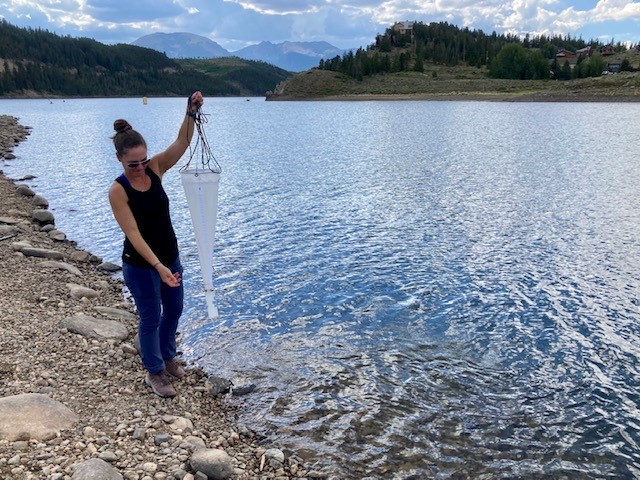
Monitor water quality by testing water samples for cyanobacteria using FlowCam
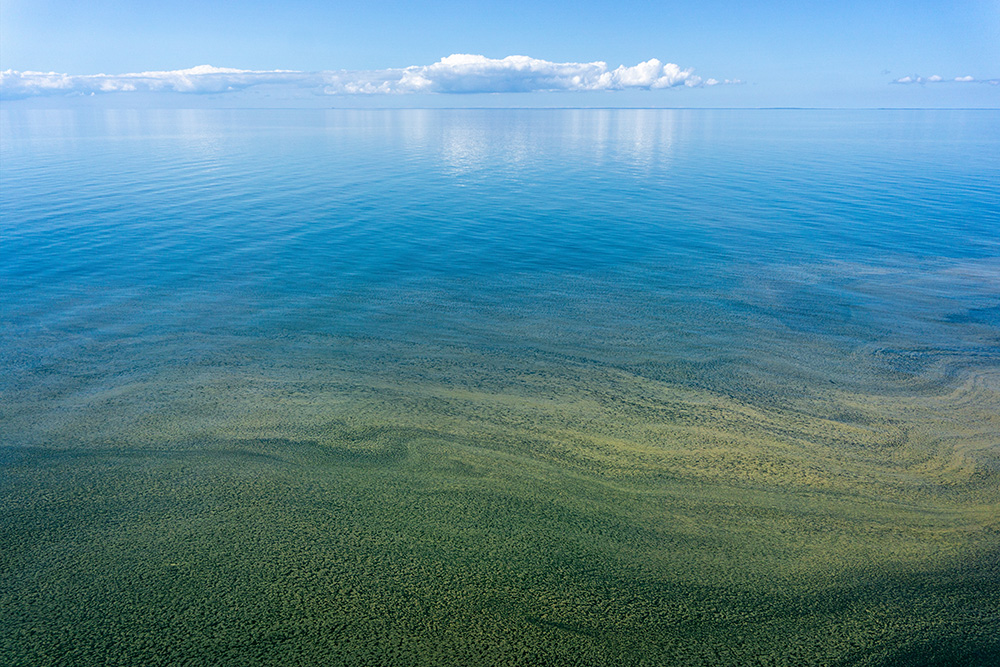
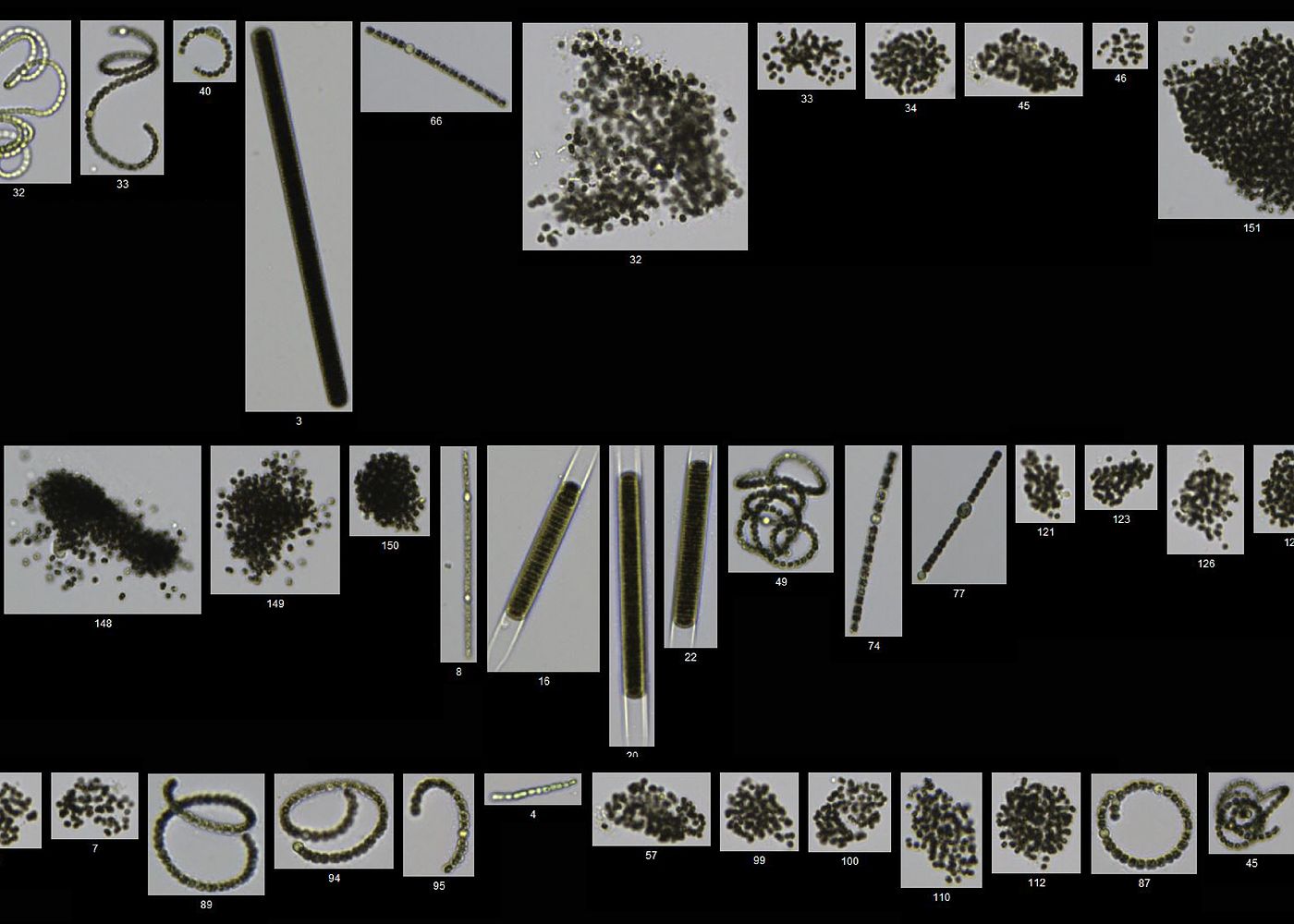
A freshwater harmful algal bloom. Regular monitoring with FlowCam allows for treatment while contamination levels are barely detectable.
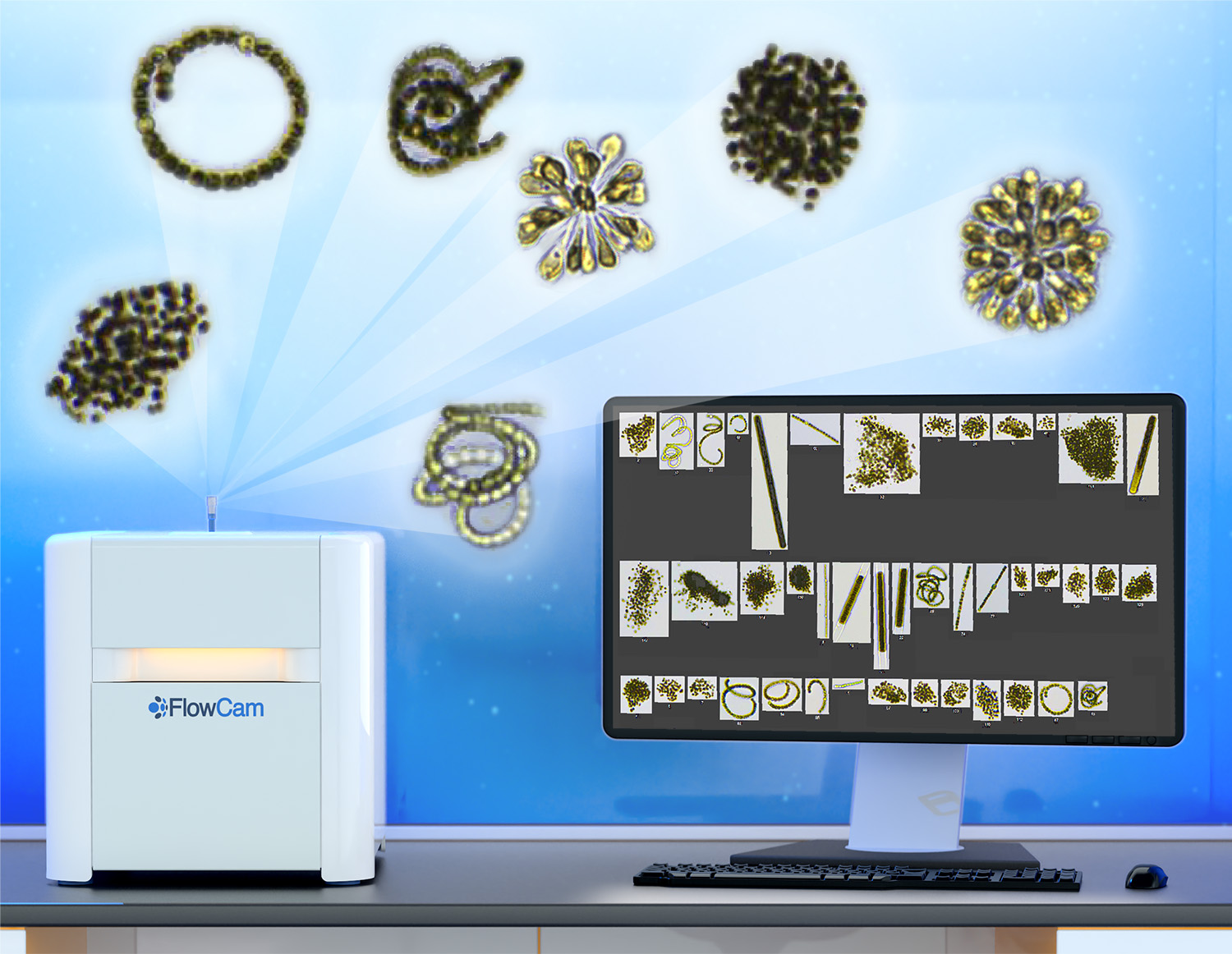
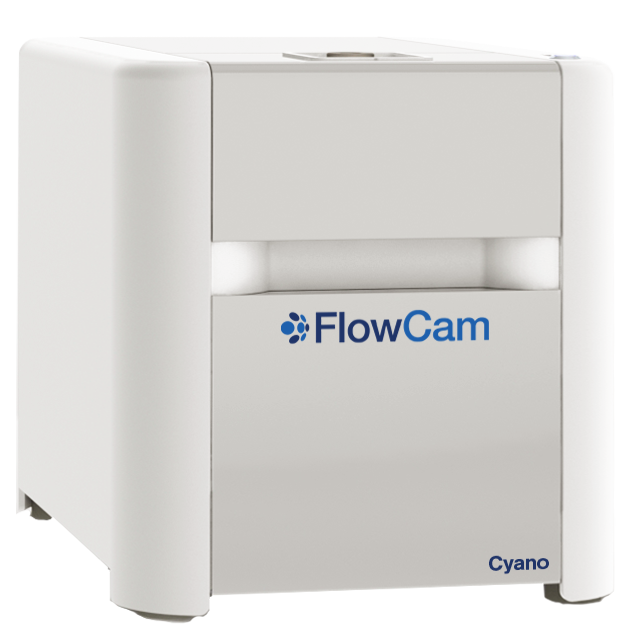
FlowCam Cyano: for automatic differentiation of cyanobacteria from other algae.
FlowCam for Harmful Algal Bloom Monitoring
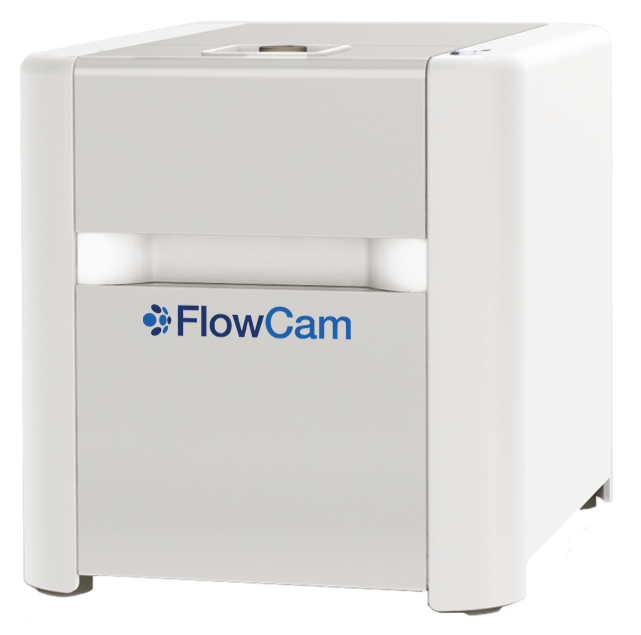
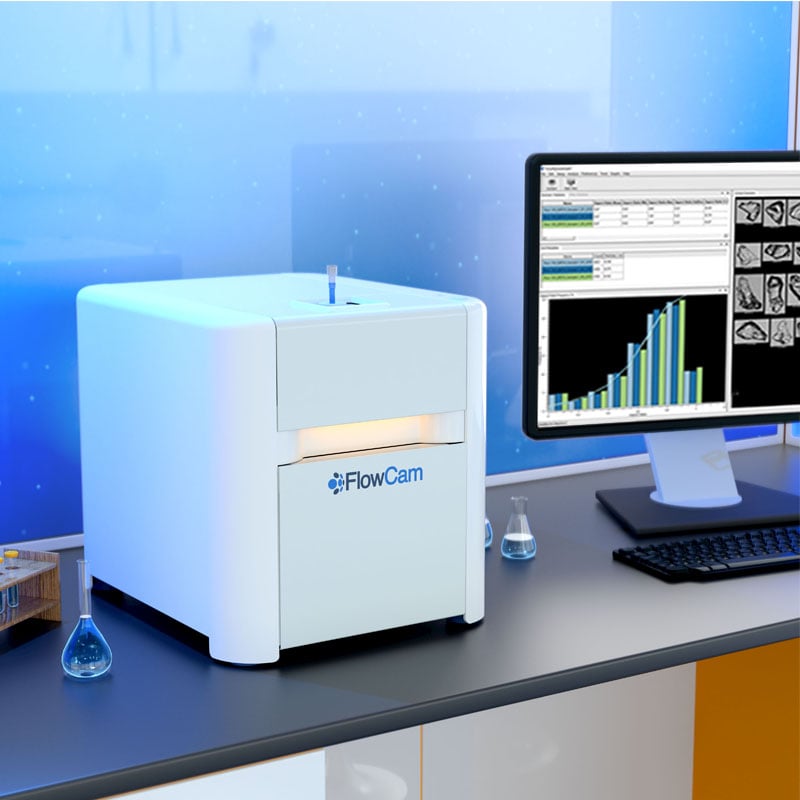
FlowCam Cyano and FlowCam 8000 are imaging water quality analyzers that combine microscopy with principles of flow cytometry to differentiate cyanobacteria from other aquatic organisms and detritus.
- Differentiate and quantify organisms capable of producing cyanotoxins to enable early treatment of water sources.
- Identify and enumerate HAB organisms in marine and freshwater environments, including cyanobacteria, diatoms, and dinoflagellates
- Forecast HAB events by including FlowCam as part of an integrated monitoring approach
- Estimate biovolume for colonial and filamentous cyanobacteria
- Analyze plankton population dynamics
Learn More About Water Quality Analysis & Monitoring with FlowCam:
-
Flow imaging microscopy (FIM) enables real-time, high-throughput analysis of water samples by capturing high-resolution images of particles in flow. Photosynthetic organisms emit characteristic fluorescence when excited by specific wavelengths, allowing FlowCam Cyano to automatically differentiate potentially harmful cyanobacteria from other algae and particles. This rapid visual and quantitative data support early detection of harmful algal blooms (HABs) and help water managers take timely mitigation steps.
-
Both technologies provide size and count data for the organisms and particles in a liquid sample, but flow imaging microscopy captures images for morphological identification and bases its measurements on those images. Flow cytometry only provides optical signal data and offers no morphological information.
-
A 1 mL water sample can be analyzed in under 6 minutes with most instrument configurations. This rapid imaging capability of more than 1000 images per second allows you to quickly monitor for the presence of problematic algae. Compared to manual microscopy or off-site analysis, fast and frequent measurements with FlowCam help you catch potential issues early and prevent blooms from escalating.
-
FlowCam captures digital images that allow users to distinguish between major groups such as cyanobacteria, algae, and detritus. Depending on organism size and distinctness, taxa can typically be identified by a trained analyst down to the genus or, in some cases, species level. Once representative images are validated, the software can perform semi-automated classification of similar particles based on size, shape, and fluorescence profile.
-
Basic FlowCam training enables operators to run samples and analyze data within a few hours. Extended software training is available, as well as self-paced online training courses and quick customer service response times when needed, to ensure you are making the most of your FlowCam and VisualSpreadsheet.
-
FlowCam instruments, including FlowCam Cyano and FlowCam 8000, measure particles ranging from 2 µm to 1 mm, covering most phytoplankton and other aquatic particles relevant to water quality analysis.
-
Yes, FlowCam water quality analyzers can quickly characterize cyanobacteria, algae, and other aquatic particles in source water samples and detect harmful blooms in recreational waters such as lakes, beaches, and swimming areas by providing comprehensive data and images.
-
Morphological analysis of organisms using size, shape, and structure data enables operators to classify plankton taxonomically and assess algal bloom composition, thus determining the potential impacts on the water system. This information can’t be obtained from cell counts alone.
-
Yes, FlowCam water quality analyzers can accurately and efficiently image taste and odor-causing algae, informing treatment decisions to streamline municipal drinking water analysis and reducing customer complaints.
-
By delivering rapid, reproducible, and verifiable data on cyanobacteria and other phytoplankton, FlowCam enables proactive monitoring, early warning systems, and informed decision-making. Water managers can forecast potential HABs, implement mitigation strategies, and distribute warnings before blooms impact public health or water quality.
-
Taxonomic classifications with FlowCam 8000 and FlowCam Cyano can be semi-automated over time. Both of these highly versatile instruments increase routine water monitoring and analysis productivity, save time, and reduce labor costs. As with any scientific instrumentation, operator review is always recommended.
Additional Resources
Published Research
- FlowCam Bibliography
- Flow Imaging Microscopy for Harmful Algal Bloom Monitoring
- Top FlowCam Studies on Cyanobacteria
Webinars
- Algae and Cyanobacteria Blooms - Track, Predict, and Identify
- Using FlowCam to Track Harmful Algal Bloom Dynamics in a Coastal Georgia Estuary
- Using Flow Imaging Microscopy to Build Phytoplankton & HAB Community Composition Profiles Impacting Water Supplies
- A Review of Recent Studies of Microcystis Using FlowCam
Interested in learning more?
-
Get in Touch
Tell us about your application and particle characterization needs.
-
Have a Conversation
We're happy to set up a call to discuss your application and answer your questions.
-
Discuss Next Steps
Expand your knowledge with a seminar, demonstration, sample analysis, or obtain a quote.