





July is Lakes Appreciation Month! The Maine-based FlowCam team is showing our appreciation for our favorite lakes and ponds by highlighting the diverse recreational activities we enjoy here in Maine. We're also spotlighting local organizations using FlowCam to advance water quality monitoring in Maine.
Water quality monitoring, especially as it relates to harmful algal blooms (HABs), helps detect potential risks to human health before they affect swimmers, paddlers, and other recreational users.
Love for Local Lakes
The FlowCam office is headquartered in Maine, a state that is home to approximately 6,000 lakes and ponds, placing it in the top ten states in the country by number of waterbodies. Below are some of our team's favorite lake photos, including some examples of phytoplankton we’ve seen when using FlowCam to analyze samples from those lakes.
Fishing on Parker Pond in Casco
Our Customer Service Manager, Nicole Stephens, enjoys fishing and paddleboarding on Parker Pond in Casco. Parker Pond is relatively shallow and is home to fish like bass, pickerel, and perch.
Water quality plays an important role in recreational fishing. For example, fish depend on having sufficient dissolved oxygen to survive. When dissolved oxygen drops—such as after a HAB—it can lead to fish kills.
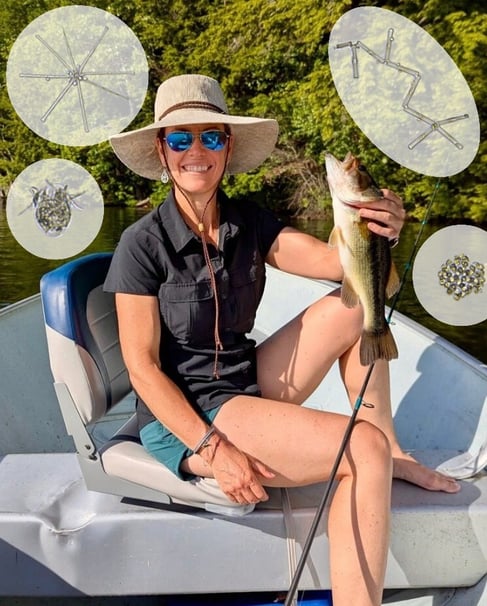
Fishing is a popular activity on Parker Pond.
Swimming in Megunticook Lake in Knox County
Senior Marketing Specialist Sarah Isakson recently visited Megunticook Lake with her family. Megunticook is known for its crystal-clear waters and scenic views of nearby Mount Megunticook.
Like many lakes in Maine, Megunticook has a shoreline that crosses through multiple towns, which highlights the importance of local lake associations that help manage water quality across municipal borders.
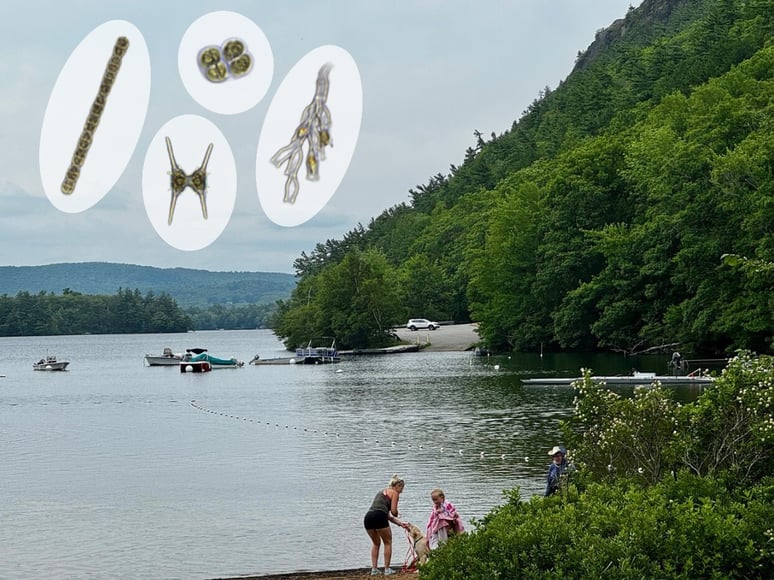
Megunticook Lake is a popular spot for swimming and boating.
Wildlife Watching on Maranacook Lake in Kennebec County
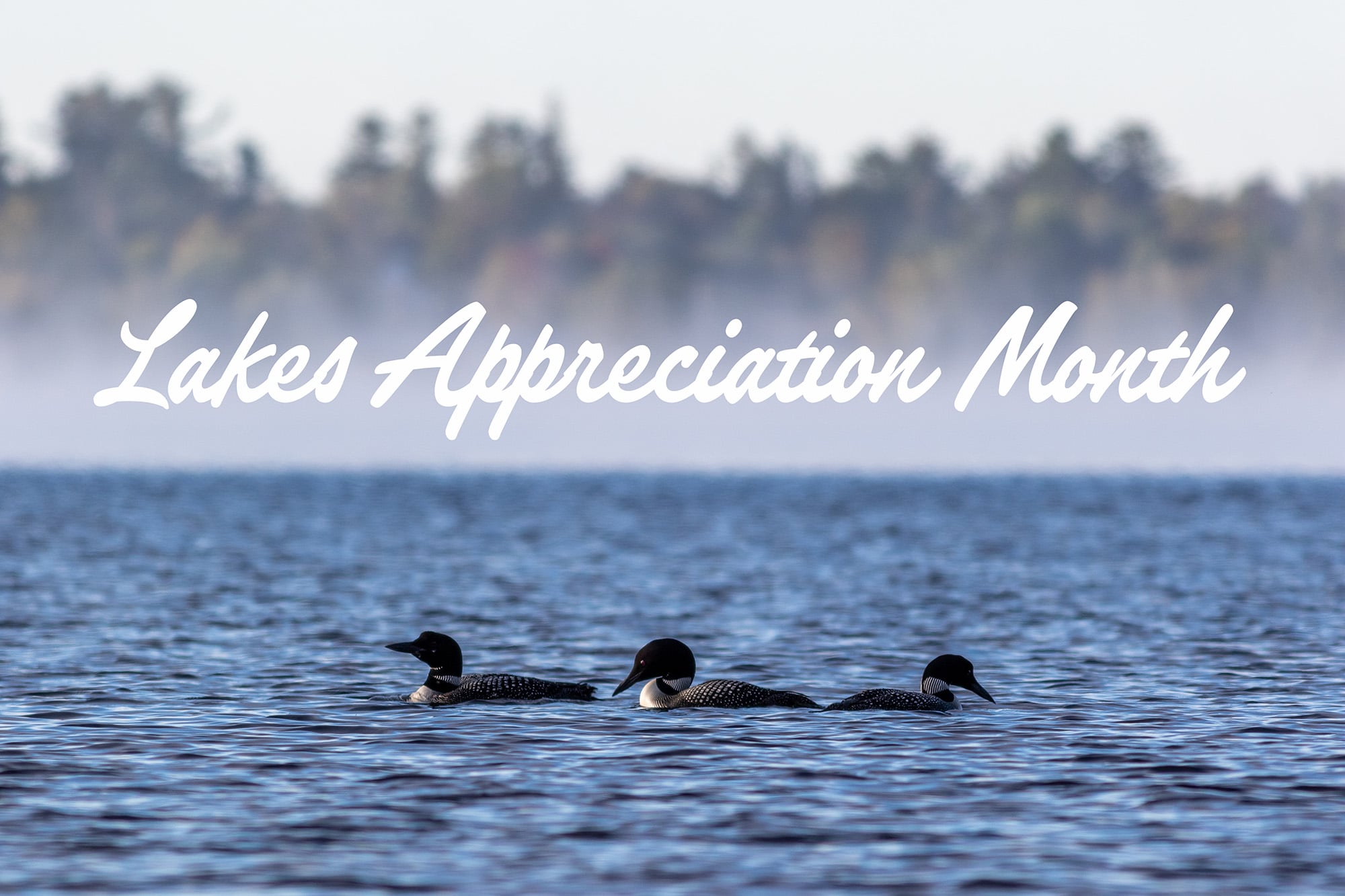
I’m Savannah Stresser, FlowCam’s User Experience Specialist. I love spotting local wildlife, especially birds like loons, osprey, and bald eagles on Maranacook Lake. This time of year, it’s especially fun to watch baby loons growing up and learning to dive.
Water quality is important for all kinds of wildlife, not just fish.
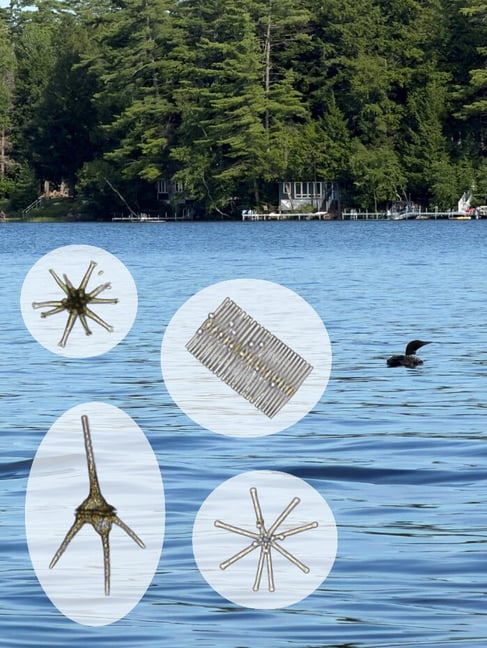
Adult loon on Maranacook Lake
Kayaking on Horne Pond in Limington
Our Engineering Manager, Ted McHenry, loves lake photography. His favorite lakes include ones as far north as Long Lake in Madawaska up by the Canadian border, as well as many smaller lakes and ponds further south, like Horne Pond (pictured below).
Water quality is important for paddlers, since some HABs can produce toxins that may cause skin or respiratory irritation.
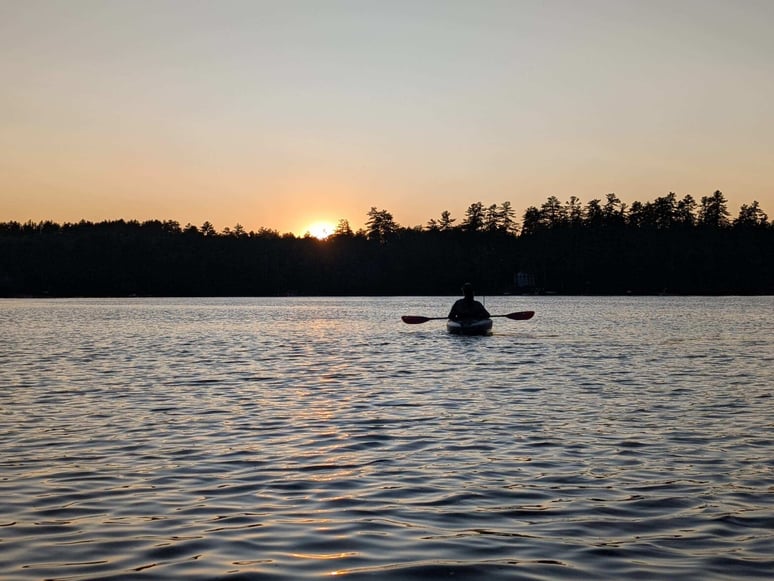
Kayaking on Horne Pond
Camping & Boating on Moosehead Lake
Last week, Manufacturing Engineering Technician Tom Parker enjoyed camping and boating on Moosehead Lake! Moosehead has several superlatives: it’s the largest lake in Maine, the second largest lake in New England (after Lake Champlain), and the largest mountain lake in the eastern U.S.
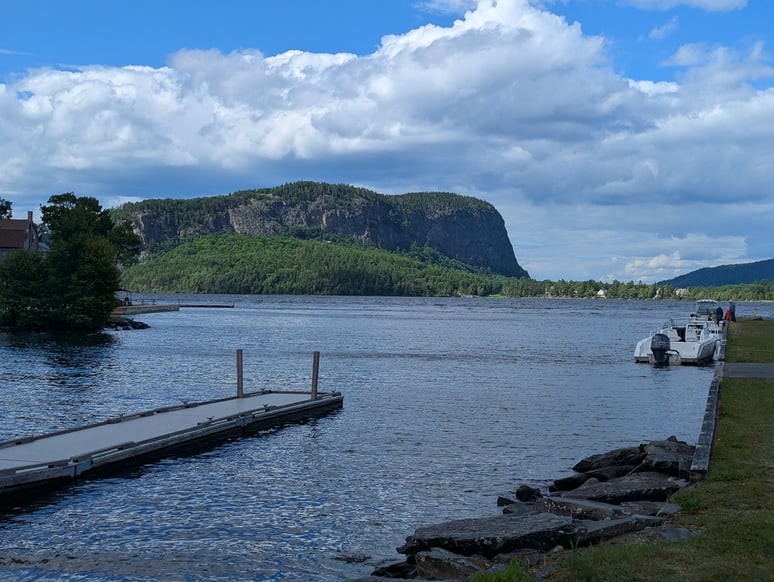
Gazing upon Mount Kineo from Moosehead Lake
Biking in Cape Elizabeth
Waterbodies don’t need to have official names on the map to be enjoyed: Staff Engineer Tom McDonald frequently bikes around this gorgeous pond in Cape Elizabeth. Enjoying lakes on bike or on foot is a great way to get out in nature and capture beautiful moments like the sunset Tom captured (below) without even getting wet!
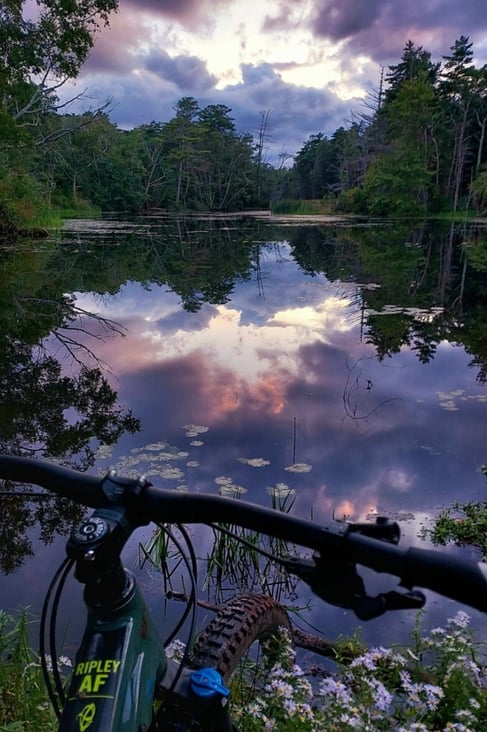
Sunset on an unnamed pond in Cape Elizabeth
How Does FlowCam Support Recreational Water Quality Monitoring?
Monitoring water quality is critical to making sure that our favorite places are safe to enjoy. Depending on the various uses a particular waterbody supports besides recreation—such as drinking water or hydroelectric power—different types of organizations may be responsible for monitoring water quality.
In Maine, we are lucky to also have nonprofit groups that monitor water quality for many of the state’s thousands of waterbodies. Some of those groups use flow imaging microscopy to expand their capacity for phytoplankton analysis.
Tedious to time-savings: expanding monitoring capacity with FlowCam
Phytoplankton analysis is a key component of many nonprofit lake monitoring and research programs. Knowing what types of phytoplankton are present and in what quantities is important for many reasons, including detecting HABs, monitoring ecosystem health, and educating stakeholders.
Many programs rely on collecting water samples and preserving them until a scientist has time to inspect them under a microscope. For some groups, though, the time from sample collection to analysis is too slow to scale. By the time results are available, conditions have likely changed.
This sample-to-results gap is a major reason Maine-based groups like the Lakes Environmental Association (LEA) and 7 Lakes Alliance are turning to high-speed imaging technology to help expand their capacity for phytoplankton monitoring. While each organization is unique, there is significant overlap in how FlowCam helps support their missions:
-
Speed & Capacity: Being able to quickly capture images of live samples has helped both organizations process samples faster and build capacity for expanded monitoring both spatially and temporally. For example, LEA monitors over 40 different lakes, and FlowCam helps them process samples from more of those lakes more quickly. Meanwhile, 7 Lakes Alliance needs the flexibility of tools like FlowCam that enable them to ramp up the temporal resolution of their monitoring program to track finer-scale community changes that inform toxin testing.
-
Engagement & Education: Engaging community stakeholders and educating students is an important part of both groups’ missions. For example, for LEA, acquiring FlowCam images quickly helps generate excitement and interest among their members: images help community members visualize the specific, microscopic organisms that are behind harmful algal blooms. For the 7 Lakes Alliance, FlowCam has helped strengthen their summer internship program for undergraduates by helping students learn cyanobacteria identification and generate meaningful results within a short study period.
Together, both LEA and 7 Lakes Alliance are advancing our understanding of the health of the lakes in our state and helping protect them for generations to come.
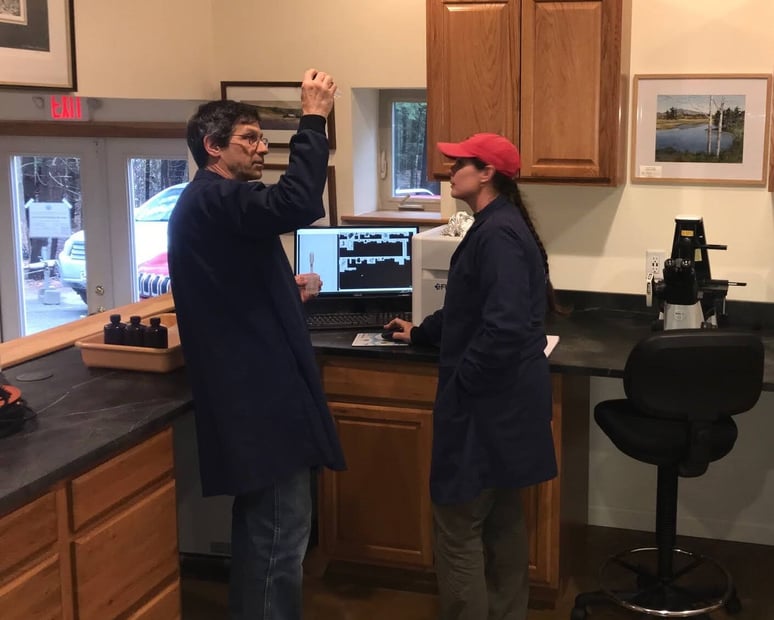
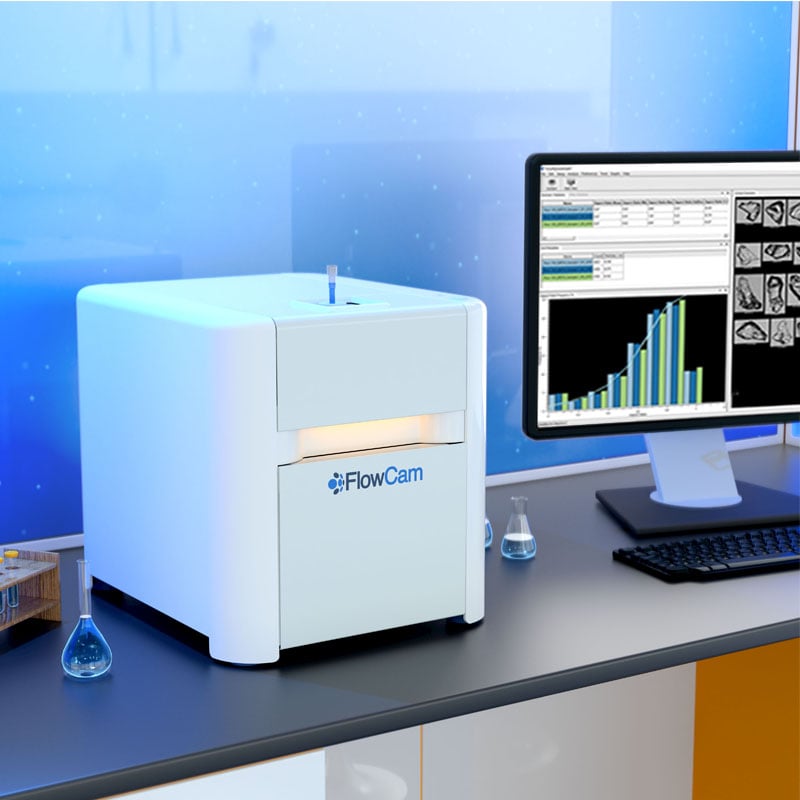
LEA scientists analyzing water samples on FlowCam
Reflecting on the Importance of Water Quality Monitoring to Support Recreation
As Lakes Appreciation Month reminds us, lakes are part of what makes living in Maine so special. From paddling and fishing to biking and birdwatching, our local lakes and ponds provide access to recreational activities that wouldn’t be possible if it weren’t for the excellent water quality we get to enjoy in many parts of the state.
Like many nonprofit organizations across the country, LEA and 7 Lakes Alliance have strong science at the core of their missions to protect water quality. Technologies like FlowCam provide the speed, flexibility, and accessibility required to help organizations like these to scale phytoplankton monitoring efforts. This Lakes Appreciation Month, we're proud to know FlowCam is supporting scientists and stewards working to keep Maine's favorite lakes healthy for recreation, wildlife, and future generations.