


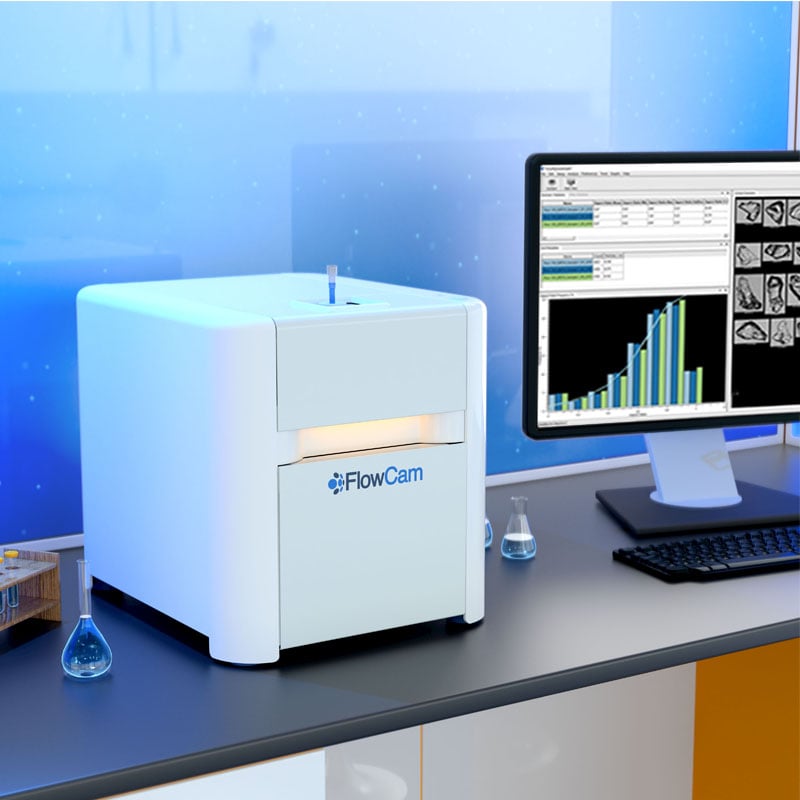




One of the main values of using flow imaging microscopy (FIM) when analyzing biopharmaceuticals is the method's sensitivity to transparent particles. …
Read Post

Optimizing FlowCam context settings and instrument parameters used during particle analysis is an important step in developing a protocol for …
Read Post

Beginning October 22nd, the American Association of Pharmaceutical Scientists (AAPS) will welcome attendees to PharmSci 360 - an annual gathering of …
Read Post

Effective strategies for monitoring particles in biotherapeutics are critical to meet regulatory requirements like USP <788> and mitigate the …
Read Post

Monitoring particles in biotherapeutics during manufacturing is critical to ensure product quality and to meet regulatory requirements on particle …
Read Post

Particles are ubiquitous in biotherapeutics and can drastically impact the efficacy of a given drug. Therefore, characterizing them is a critical …
Read Post
.png?width=450&height=250&name=Nano%20Mixture%20(Medium).png)
Many new types of biotherapeutic Active Pharmaceutical Ingredients (API) such as viruses, nanomedicines including virus-like particles and lipid …
Read Post
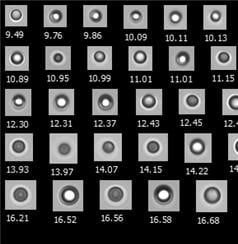
Silicone oil has long been used in the pharmaceutical industry as a lubricant for syringes. It serves to reduce the force necessary to depress the …
Read Post
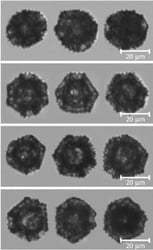
Pollen-based microcapsules such as hollow sporopollenin exine capsules (SECs) have emerged as excellent drug delivery and microencapsulation vehicles …
Read Post

Injectable biopharmaceuticals, particularly prefilled syringes (PFS), come with risks related to the force of injection, such as patient pain and …
Read Post
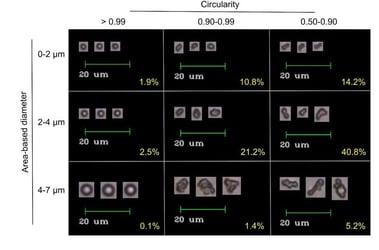
A recent study by researchers from the University of New England and University of New Hampshire has demonstrated that flow imaging microscopy is an …
Read Post