

Beyond Throughput: Expanding Ecological Discovery at a Freshwater Research Institute in Germany
In mesocosm experiments, investigating complex ecological questions brings a unique scalability challenge: multiple treatments, time points, depths, size fractions, and replicates can quickly add up to hundreds of samples. Without high-throughput tools, that workload can constrain the types of experiments that are possible, limiting what types of insights we can gain into the processes that shape the foundations of aquatic food webs.
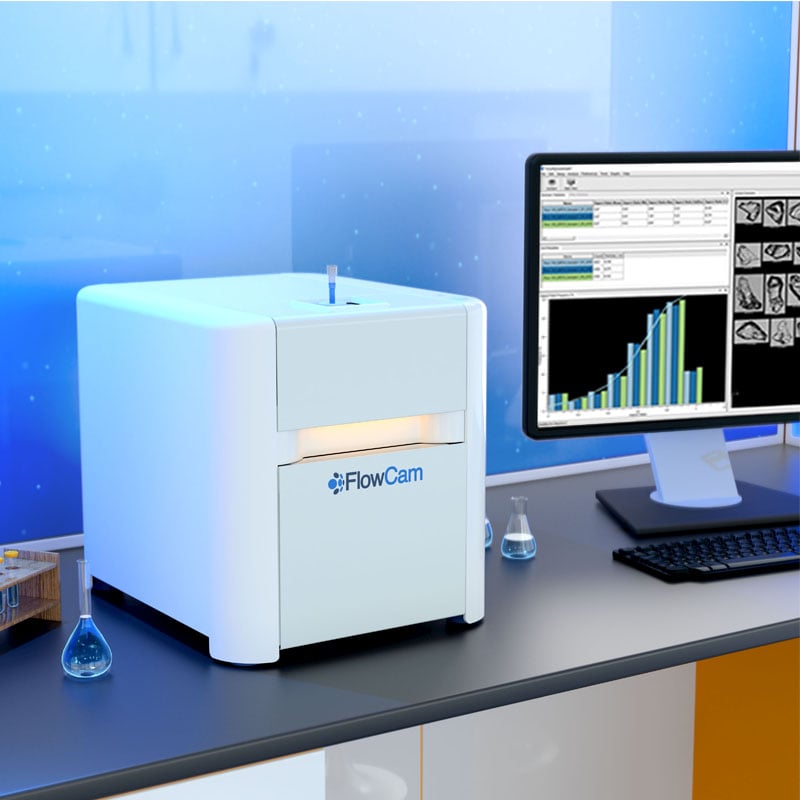
At the Leibniz Institute of Freshwater Ecology and Inland Fisheries (IGB) in Germany, researchers use FlowCam instruments to meet this challenge. FlowCam is a flow imaging microscope used to quickly image, count, measure, and classify plankton and other particles in aquatic samples.
In a recent webinar, Dr. Stella A. Berger and Dr. Gülce Yalçın from IGB's Phytoplankton Ecology group shared how FlowCam helps expand plankton research capacity across controlled experiments, long-term monitoring, and large-scale ecological events.
The webinar offers practical insights for researchers interested in applying high-throughput imaging and open-source tools to mesocosm studies and other large-scale plankton investigations.
In case you missed it, you can watch the webinar recording or read our takeaways below.
Using FlowCam in Mesocosm Studies to Expand Plankton Research
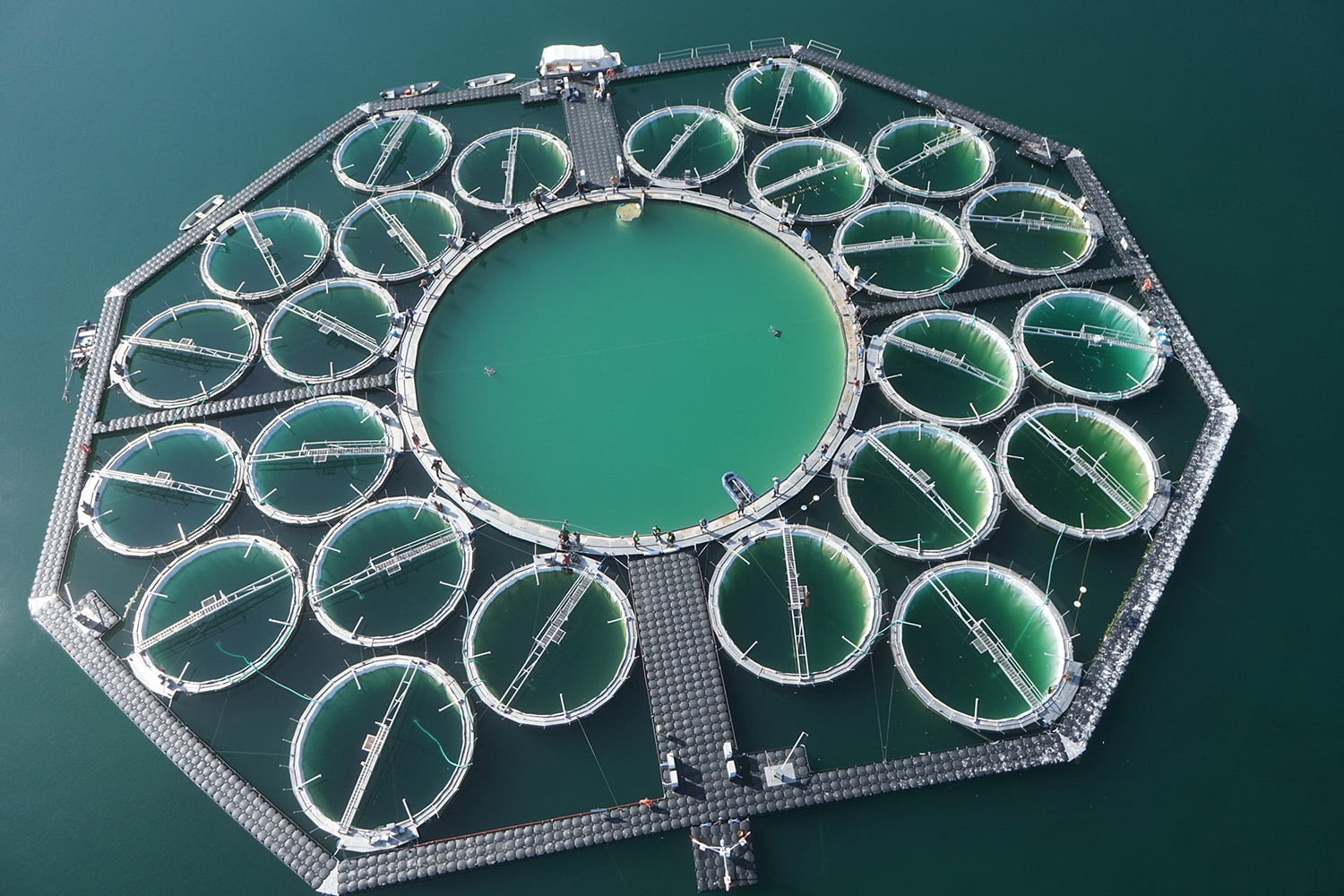
IGB is home to LakeLab, a large-scale ecological research facility in Lake Stechlin in northeast Germany. LakeLab's 24 in-situ mesocosm enclosures are 9 meters in diameter and 20 meters deep and function as miniature lakes, enabling year-round experiments at whole-ecosystem scale.
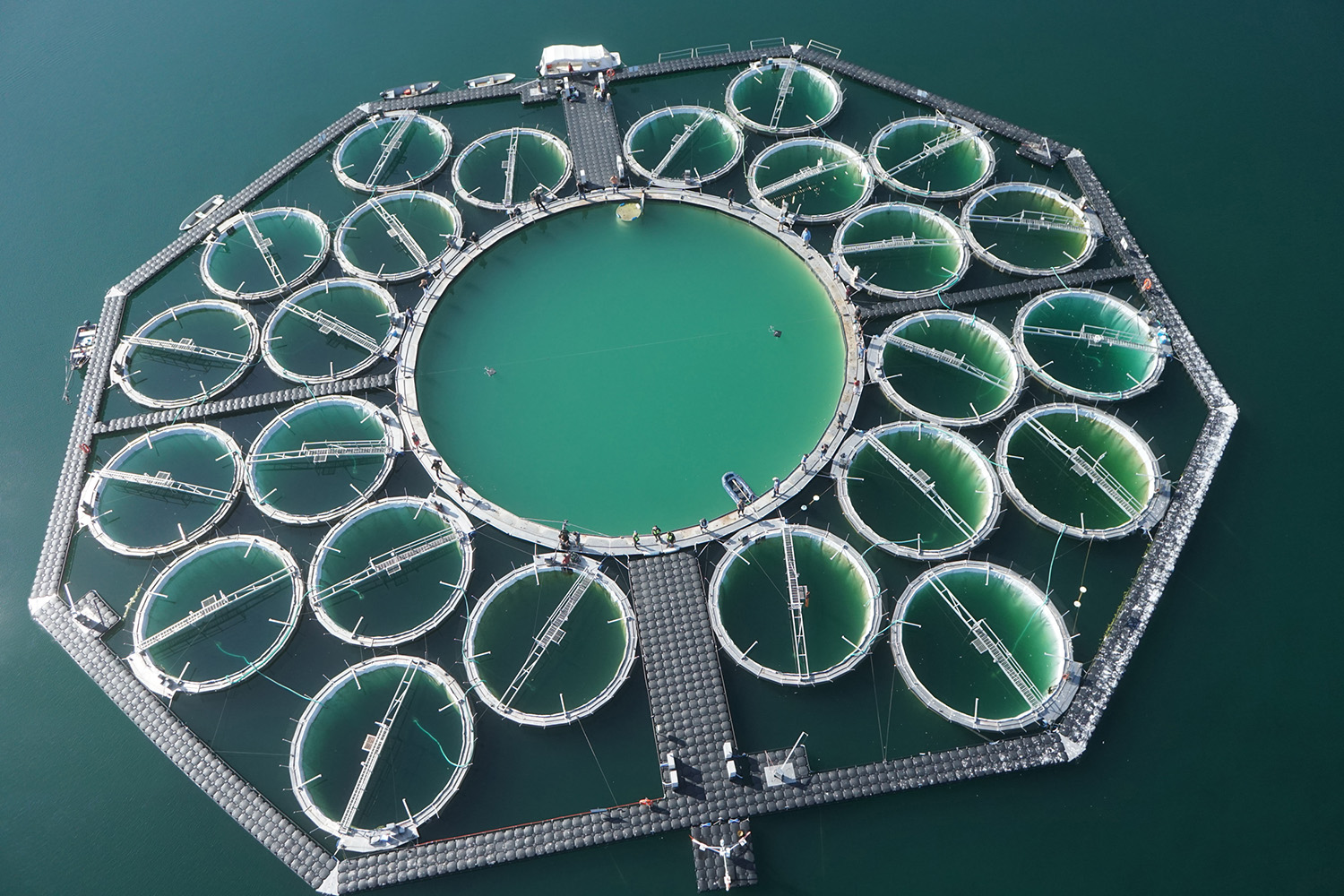
Pictured above: Large, year-round mesocosm facilities like LakeLab enable researchers to design experiments at a scale that wouldn’t be possible otherwise (e.g. experiments involving fish density or winter ice cover). To appreciate how large LakeLab is, note the size of the people walking around the inner circle. High-throughput imaging with FlowCam helps maximize the data and insights researchers can extract about plankton communities at such scales.
Experiments on this scale can generate hundreds of samples across treatments, time points, depths, size fractions, and replicates. IGB researchers have used a variety of FlowCam instruments over the years to investigate how plankton communities change under different environmental conditions. Dr. Berger and Dr. Yalçın highlighted several experiments in their webinar; below are just a few, summarized by research question and sample count to illustrate the increasingly large scale of each experiment:
-
Winter limnology: In temperate lakes, ice coverage is decreasing due to climate warming. What could happen to plankton communities if winter ice disappeared? FlowCam was used to compare phytoplankton communities and biomass under different ice cover conditions. (160 samples)
-
Eutrophication and browning: Both eutrophication and browning impact the amount of light available to aquatic organisms. What impact does this have on rotifers, an important trophic link between smaller and larger plankton? FlowCam was used to investigate rotifer community composition and biomass. (252 samples)
-
Artificial light: Phytoplankton and zooplankton migrate vertically through the water column to photosynthesize/graze and avoid predation. How does artificial light at night impact diurnal vertical migration patterns? FlowCam was used to see which types of plankton dominate the community, especially at the surface, under different light conditions. (480 samples)
-
Fish density: A special feature of LakeLab is the ability to perform experiments involving fish. How do plankton communities change through the day and night when exposed to different densities of fish and nutrients? FlowCam was used to study how plankton communities change with different levels of nutrients and exposure to different densities of fish in each enclosure. (700 samples)
Dr. Berger and Dr. Yalçın also presented examples of international mesocosm projects beyond LakeLab, including investigations of microzooplankton in the Humboldt Upwelling off Peru and effects of dissolved organic carbon and salinization on plankton communities in Turkey.
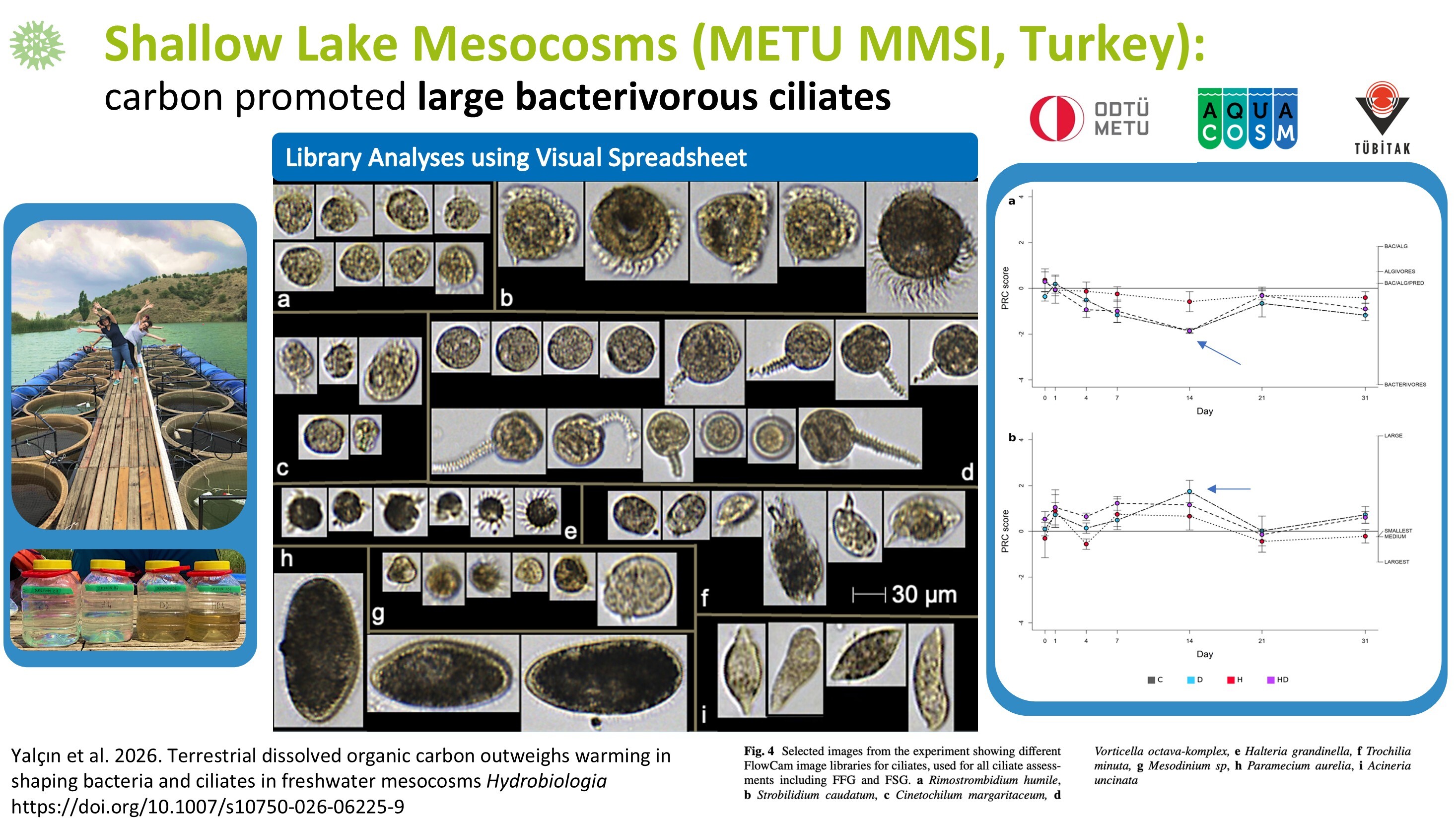
Pictured above: One example of the many results presented by Dr. Berger and Dr. Yalçın. The figures featured here were published in Yalçın et al. 2026. Watch the full webinar for an explanation of the data.
The common thread through every example was that the value of FlowCam goes beyond processing samples faster: higher throughput allows researchers to design studies capable of capturing ecological change at finer temporal and spatial scales.
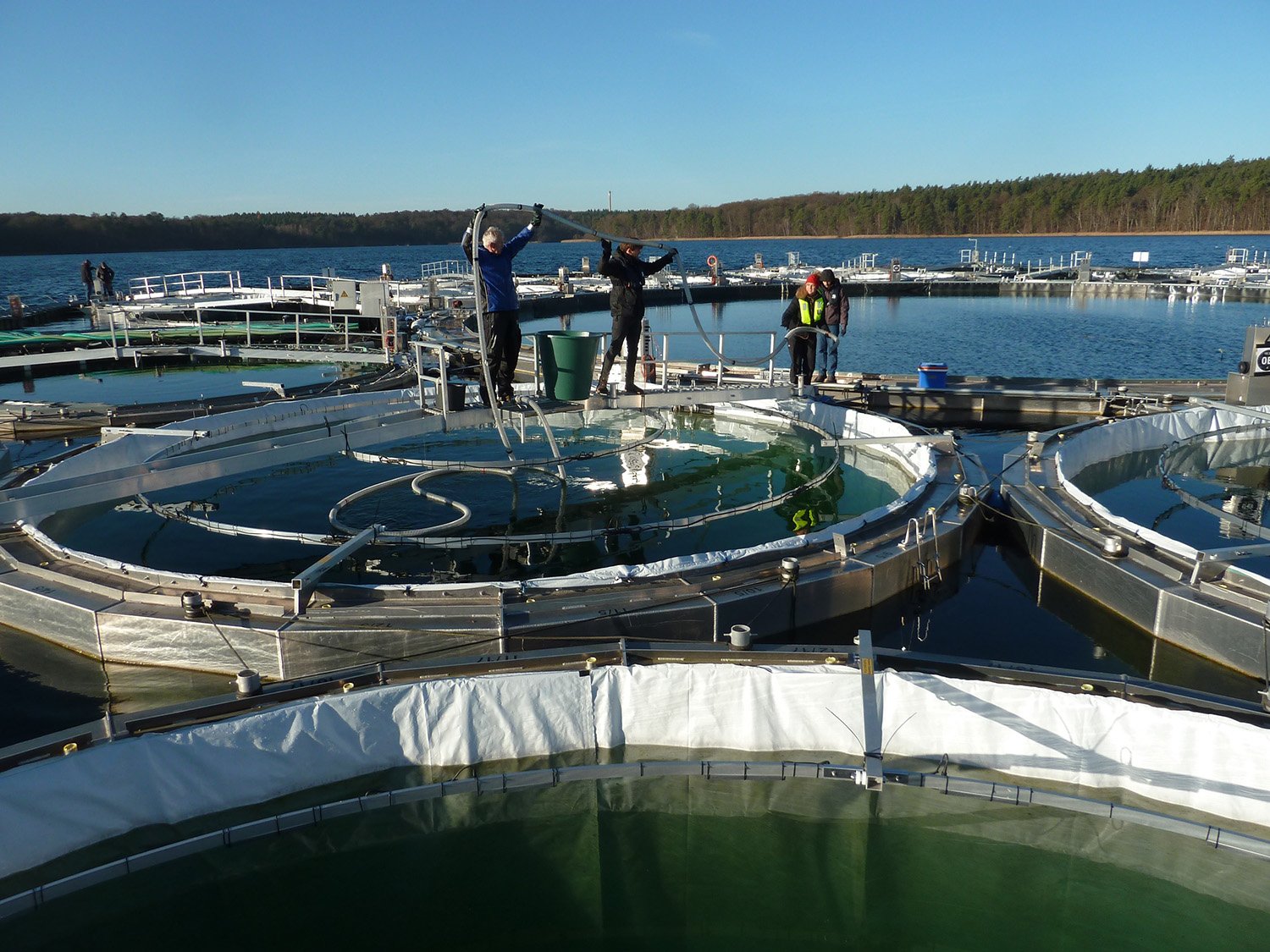
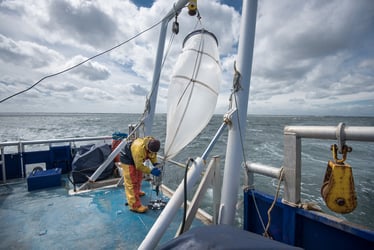
Pictured above: A close-up of what sampling looks like at LakeLab.
Scaling Plankton Image Analysis with AI and Machine Learning
Scaling up creates valuable data, but also presents a challenge: hundreds of samples can generate millions of images, especially when teams like IGB operate multiple FlowCam instruments simultaneously. Extracting value from that volume requires an analytical workflow that can process images efficiently and turn them into useful ecological data.
Across thousands of samples and six different FlowCam instruments, IGB has generated millions of images. To enhance capacity as their research program scales, IGB developed an open-source image processing and AI pipeline for FlowCam with a user interface called LabelChecker. LabelChecker includes preprocessing, annotation, training, classification, and export.
LabelChecker also estimates biovolume using the distance mapping approach, which can better represent elongated, filamentous, or irregular organisms than simple geometric formulas can. Its open-source approach gives researchers local control over preprocessing and model settings while preserving the validation step to verify results.
LabelChecker shares similarities and differences with EcoTaxa, another open-source tool for plankton classification. Both tools support automated plankton image classification and review. EcoTaxa offers a collaborative annotation environment, while IGB’s locally run, open-source pipeline gives researchers greater control over preprocessing and model settings. LabelChecker also includes artifact removal and biovolume calculations using the distance mapping approach.
Related to classification, FlowCam users and plankton researchers are invited by IGB to join a Global Lake Ecological Observatory Network (GLEON) project studying host-parasite dynamics. The project will use FlowCam and machine learning to detect infected phytoplankton, quantify infections across lakes, and investigate their drivers and effects. To receive communications about the project, click the button and fill out the form:
Matching Plankton Analysis Methods to the Research Question
Scalable tools make it possible to process more images, but scale alone does not guarantee meaningful results: the approach must also fit the research question.
As with any other instrument, FlowCam is most powerful when the workflow is tailored to the question at hand. Choosing the appropriate sampling strategy, instrument configuration, and complementary tools helps researchers generate a more complete view of what's happening ecologically.
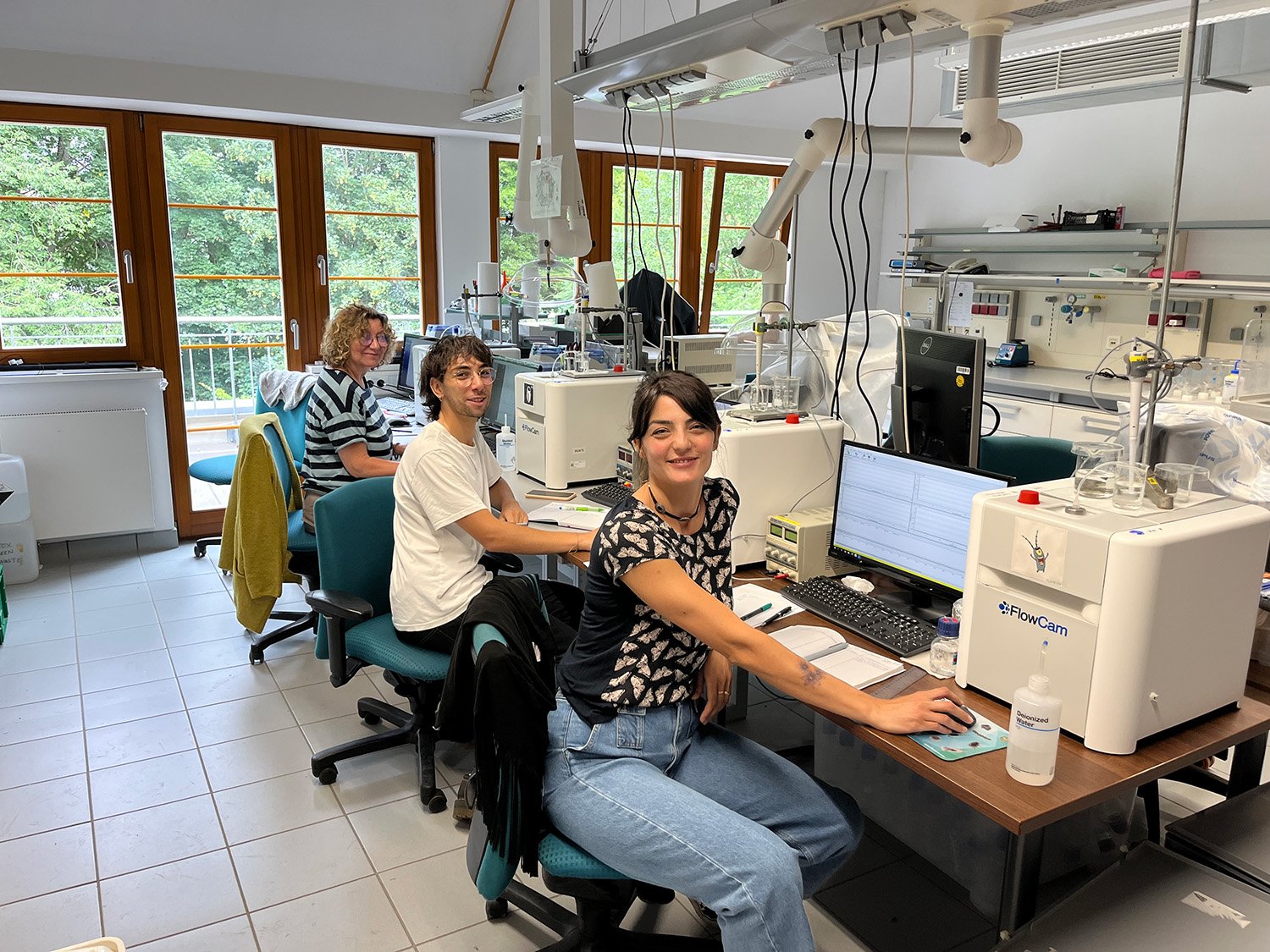
Pictured above: Part of what has enabled IGB to tackle such large-scale experiments is the use of multiple FlowCam instruments for different size ranges. A few of the instruments are pictured here, with Dr. Yalçın (right) and other members of the research team at IGB.
Below are some practical examples Dr. Berger and Dr. Yalçın shared in their webinar about how they apply knowledge of their research questions, target organisms, and strengths and limitations of different approaches to select the best methods for different studies:
-
Use live imaging for fragile organisms: As Dr. Berger mentioned when describing an experiment in a Peruvian upwelling system, fixation can cause organisms like fragile microzooplankton (e.g. ciliates) to get deformed or disappear completely from samples. This underscores the tradeoffs of sample preservation and the benefit of being able to image live organisms with FlowCam.
-
Don't underestimate the value of size and morphology-based functional groups: Alongside taxonomy, FlowCam's size and morphology data can reveal important ecological insights, too. For example, in her salinity experiment, Dr. Yalçın explained how analyzing phytoplankton by size class rather than taxa revealed that increased salinity favored larger cells. Similarly, in an experiment on connectivity, Dr. Berger explained how grouping organisms by morphology-based functional groups rather than taxonomic groups revealed that communities can change in taxonomic composition while remaining relatively stable in their functional makeup.
-
When species-level identification of small organisms matters to the question, combine imaging with complementary methods: Very small organisms may require higher-resolution microscopy, flow cytometry, or genetic approaches. Dr. Berger presented an example from a response to a 2022 HAB event in the Oder River, which forms part of the border between Germany and Poland, where genetic tools were used to positively identify the small bloom-forming species Prymnesium parvum, while FlowCam and AI characterized changes in the broader phytoplankton community.
Across these examples, the value of high-throughput imaging comes not only from scale, but from how it is paired with complementary tools through thoughtful study design.
Core Takeaway: High-Throughput Plankton Imaging Expands Ecological Research
The core undercurrent throughout the webinar is that FlowCam imaging paired with AI tools offers more than simply faster plankton counts: it expands the ecological questions researchers can explore, from controlled experiments to long-term lake and river monitoring. Combined with measurements of size, morphology, and biovolume, these tools reveal how plankton communities respond to a variety of environmental changes. Ultimately, high-throughput imaging helps scale plankton observation and, paired with scientific expertise, converts data to discovery.