


Webinar Overview: Scaling Plankton Imaging with FlowCam and EcoTaxa
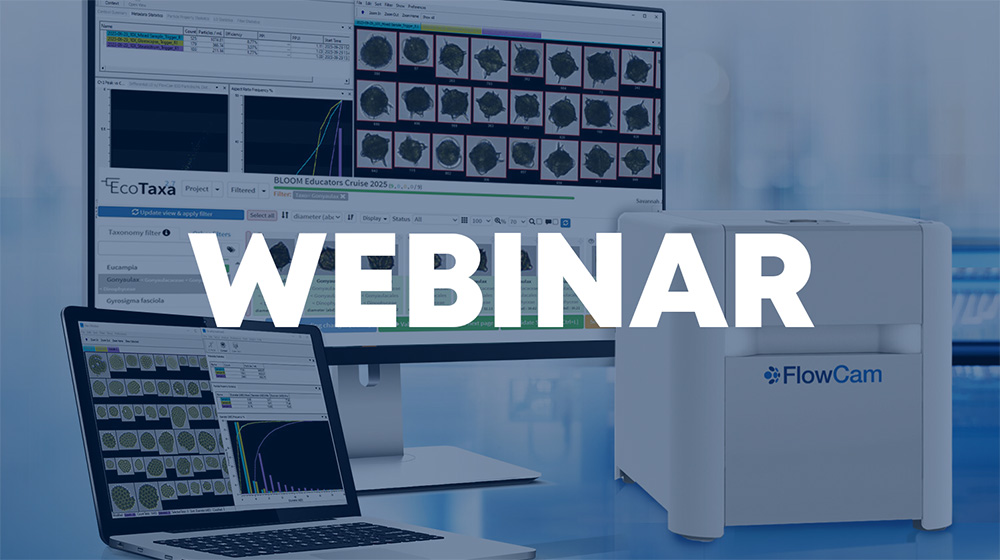
Quantitative plankton imaging plays a distinct role in marine research and monitoring. Using instruments such as FlowCam, researchers can image, count, measure, and sort thousands of plankton images in a single sample—expanding both the scale and efficiency of analysis and helping labs build capacity for plankton research and monitoring.
To keep pace with these large datasets, platforms like EcoTaxa provide a collaborative, online environment for rapid classification and validation, helping labs move more quickly from sample to insight.
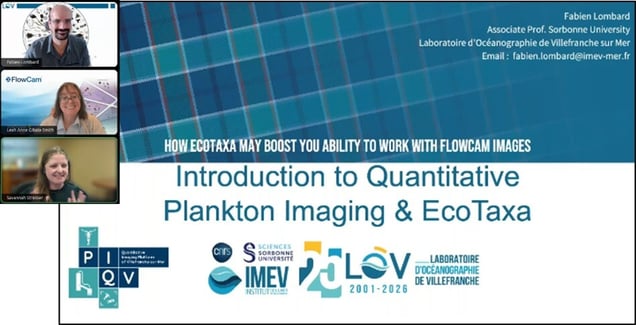
In this webinar, we sat down with plankton imaging & EcoTaxa expert Dr. Fabien Lombard and FlowCam specialist Leah Anne Gibala-Smith to explore how EcoTaxa and FlowCam are helping researchers collect, classify, and share plankton data at unprecedented scales.
|
|
 |
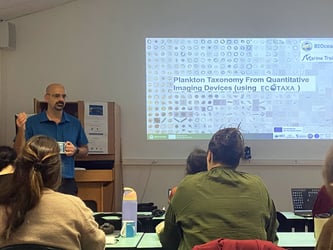
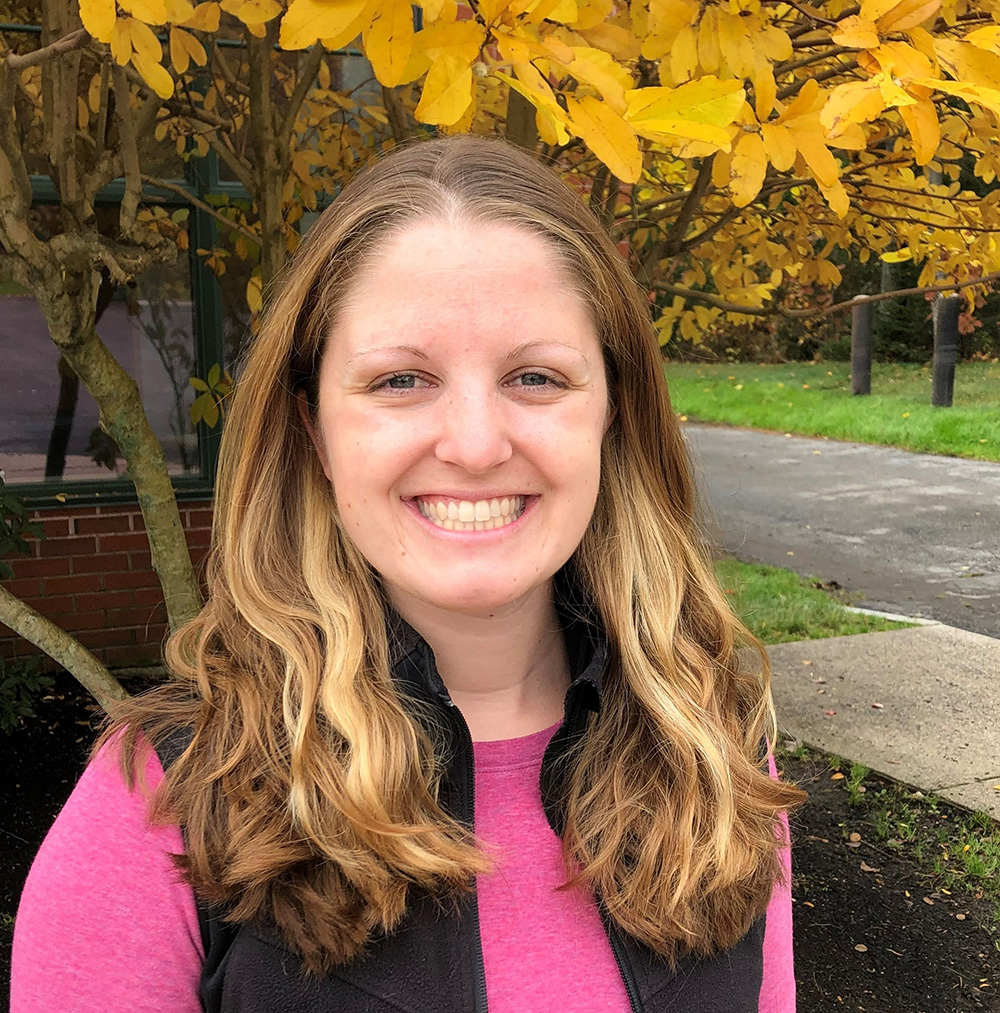
| Dr. Lombard is an associate professor at Sorbonne University in the Laboratoire d'Oceanographie in Villefranche-sur-Mer, the home of EcoTaxa. His research focuses on the link between plankton ecology, physiology, functional diversity, and their impact on matter fluxes. |
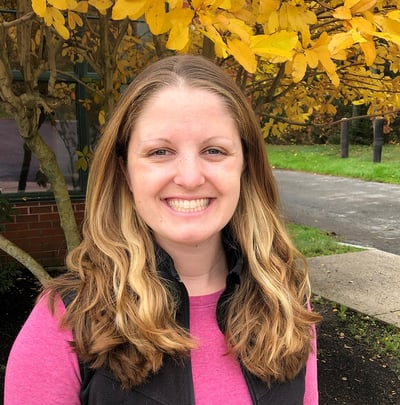
Leah has over two decades of specialized experience in aquatic sciences and phytoplankton taxonomy, with particular attention to harmful algal bloom (HAB) species in estuarine and coastal waters. She was an avid user of EcoTaxa in her former role as a manager and researcher in a phytoplankton analysis laboratory. |

In case you missed it, you can watch the recording here and/or read the summary below:
1. The Case for Scalable, Quantitative Plankton Imaging
-
Plankton are essential but notoriously difficult to monitor due to their immense range in size (over six orders of magnitude) and abundance, requiring methods that are both quantitative and scalable.
-
Quantitative plankton imaging provides a strong balance between taxonomic resolution, broad coverage, and the ability to generate abundance and biovolume estimates when paired with proper sampling metadata.
-
EcoTaxa was created to address challenges of scale and collaboration, enabling standardized classification across instruments, projects, and research teams, critical for significant efforts like Tara Oceans.
-
Imaging creates “digital samples” that can be shared, revalidated, and reanalyzed, supporting transparency, reproducibility, and long-term scientific value.
-
EcoTaxa aligns strongly with FAIR and open science principles, integrating metadata, WoRMS taxonomy, and pipelines toward global repositories like OBIS to ensure data longevity and interoperability.
2. How EcoTaxa Streamlines Classification for FlowCam Users
-
EcoTaxa is a free, web-based platform that allows users to visually explore plankton images, classify organisms, and collaborate with multiple users on the same dataset.
-
Machine learning accelerates classification. EcoTaxa enables users to train on validated images and process thousands of annotations per hour through an efficient validation interface.
-
New FlowCam → EcoTaxa export tools simplify workflows by linking vignettes directly to particle properties and metadata.
-
Projects are highly customizable, with flexible taxonomic trees, particle property sorting, and tools to reuse taxonomy trees across projects.
-
The new EcoTaxa Guide lowers barriers to taxonomy, providing visually rich, collaborative taxon pages with diagnostic features, comparison species, and links to external databases for training and reference.
3. Key Considerations: Taxonomy, Flexibility, and Workflow Best Practices
The webinar included an extensive Q&A session. Below are some highlights:
-
EcoTaxa is not limited to marine systems—it can support freshwater, estuarine, and even non-aquatic imagery, as long as images represent individual objects or organisms.
-
Taxonomic resolution is user-driven, ranging from broad functional groups to species-level identification, depending on image quality, project goals, and expert involvement.
-
Taxa can be added or refined as needed, drawing from the full WoRMS taxonomy or, when necessary, through guided creation with supporting references to maintain consistency.
-
Classification is inherently iterative, with users encouraged to start with broad trees and progressively refine predictions using project-specific training sets.
-
EcoTaxa supports collaborative workflows, allowing experts to revisit validated datasets, refine identifications, and improve taxonomic accuracy over time.
Next Steps: Getting Started with EcoTaxa
Whether you're new to EcoTaxa or familiar with its functionality, this webinar highlights the value of quantitative plankton imaging and how EcoTaxa can help users accelerate plankton classification with FlowCam images.
If you're ready to move from concept to hands-on application of EcoTaxa, we invite you to watch our next webinar, "Getting Started with EcoTaxa for FlowCam Users". This session guides new users through starting their first EcoTaxa project, focusing on workflows and practical tips to continue to journey toward faster, more scalable plankton analysis.