


Plankton are the unsung powerhouses of our planet, accounting for roughly half of all global photosynthesis. As the primary producers at the base of aquatic food webs, they play a critical role in carbon cycling, fisheries, and even climate regulation. However, understanding how these communities change over time requires frequent, detailed observation—a historically challenging task.
Download Guide | FlowCam for Plankton Research & Monitoring
The Challenge of Traditional Phytoplankton and Zooplankton Analysis
Characterizing plankton communities requires tracking several key metrics: abundance, taxonomic group, and morphology. While traditional microscopy provides invaluable direct observations, it is also incredibly time-consuming and difficult to scale.
When researchers are forced to sample less frequently due to cost or labor constraints, they risk missing critical population shifts and community dynamics.
The Solution: Plankton Research Using Flow Imaging Microscopy
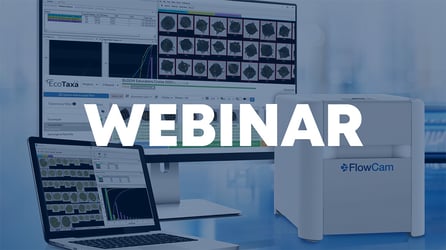
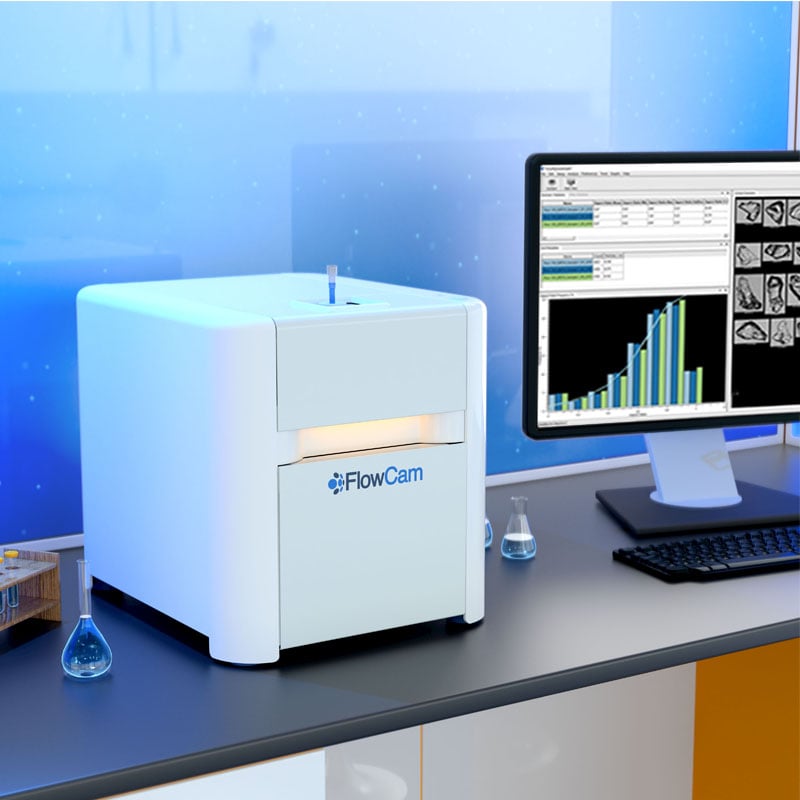
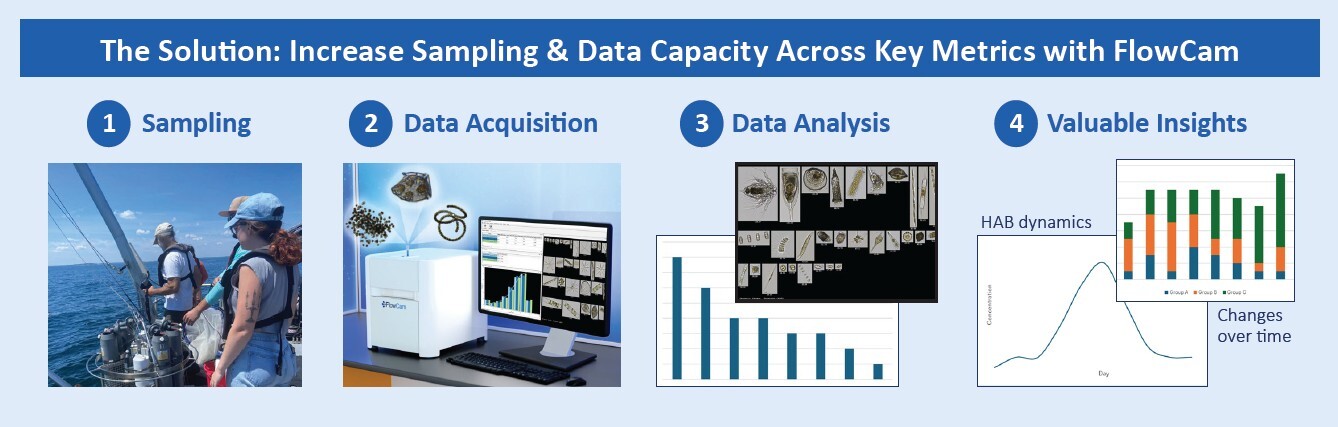
To bridge the gap between manual microscopy and high-throughput data collection, many labs are turning to Flow Imaging Microscopy (FIM) for phytoplankton and zooplankton analysis. This technology combines the speed of flow-based analysis with the high-resolution visual data of a microscope.
FlowCam, a leading FIM platform, allows you to:
-
Accelerate your research: Image more particles per sample and more samples per day.
-
Augment your data: Quantify shape and color in addition to organism size and concentration.
-
Build Lab Capacity: Create digital records for long-term archiving and use images to train the next generation of scientists.
From Images to Insights: FlowCam in Action
With over 380 peer-reviewed papers published using its data, FlowCam has become an essential tool across various research fields.
-
Harmful Algal Bloom (HAB) Monitoring: Institutions like the Skidaway Institute of Oceanography use FlowCam 8000 to quantitatively track organisms of concern, such as Akashiwo sanguinea. This high-frequency data helps researchers understand the environmental drivers of bloom initiation.
-
Biogeochemistry Studies: At the National Oceanography Centre (NOC) in the UK, FlowCam Macro is used to calculate biomass for zooplankton groups, providing the statistically significant data needed to understand ocean carbon sequestration.
-
Time Series & Biodiversity: The Flanders Marine Institute (VLIZ) utilizes FlowCam to maintain long-term time series, even employing AI models to automate the identification of over 140 taxonomic groups.
Why Researchers Choose FlowCam
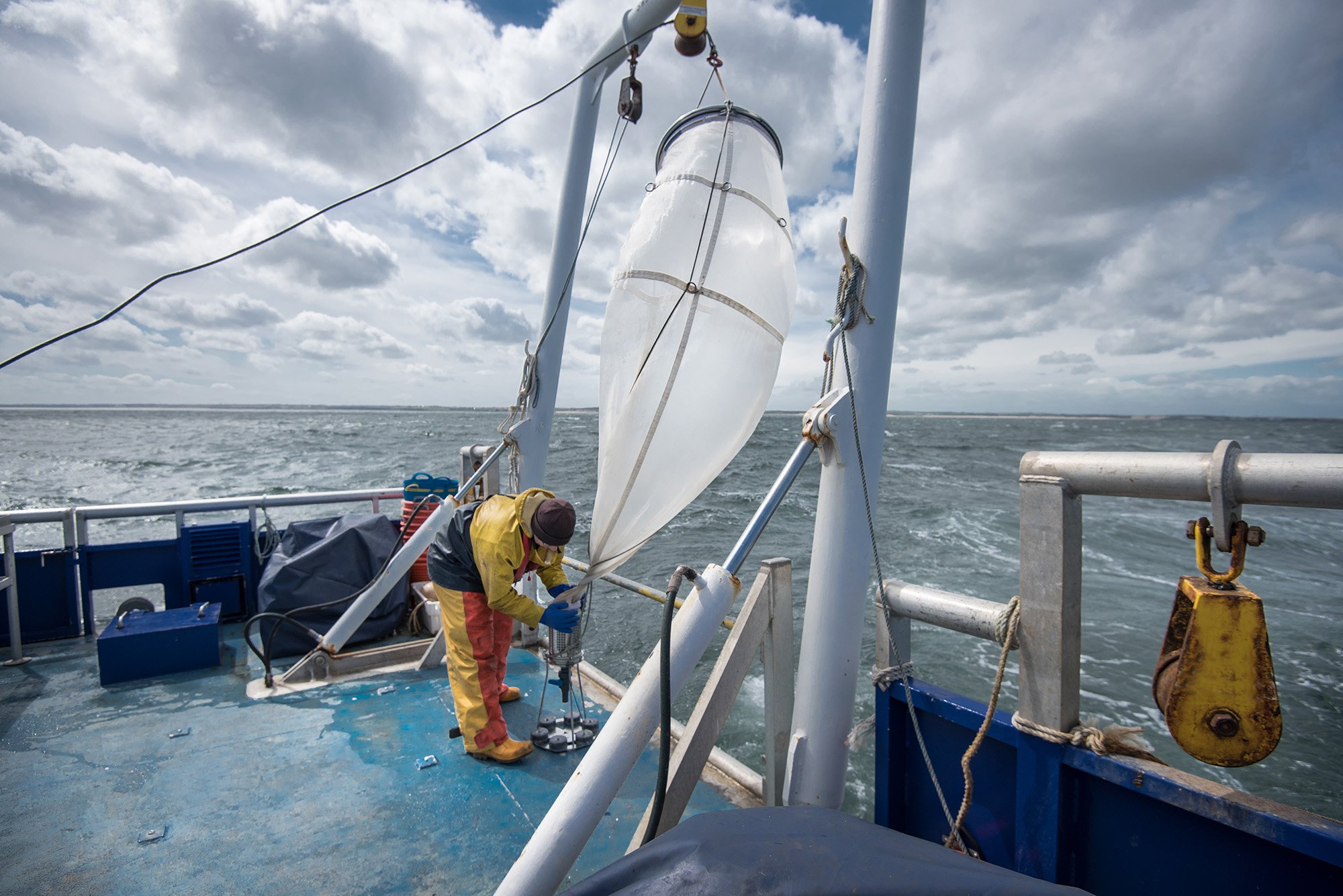
Beyond its technical capabilities, FlowCam is valued for its ease of use and versatility. "We take FlowCam out on the boat with us and process samples as we’re collecting them," says Dr. David Fields of Bigelow Laboratory for Ocean Sciences. "By the end of a research cruise, you have reliable information that, in the past, would have taken months to process".
Whether you are conducting biodiversity surveys or monitoring for toxic HABs, FlowCam offers a customizable, robust platform designed to expand your lab's observational capacity.
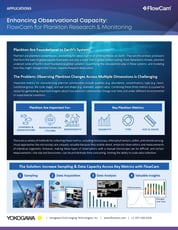 For a deeper look at how FlowCam can support your plankton research needs, explore our detailed guide, "Enhancing Observational Capacity: FlowCam for Plankton Research & Monitoring".
Ready to see what FlowCam can do for your research? Connect with a subject matter expert to find the right model for your application.