



The FlowCam Student Equipment Grant has helped many graduate students complete their research. Beyond being awarded the use of a FlowCam instrument, …
Read Post
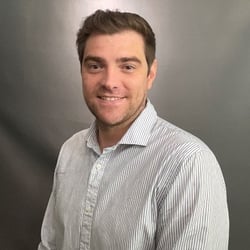
We recently spoke with Dr. Adam Hawkins, a Postdoctoral Fellow at the Frederick Smith School of Chemical and Biomolecular Engineering at Cornell …
Read Post
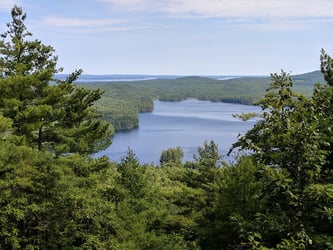
We recently connected with Ben Peierls, Research Director, and Maggie Welch, Staff Limnologistat Lakes Environmental Association in Bridgton, …
Read Post
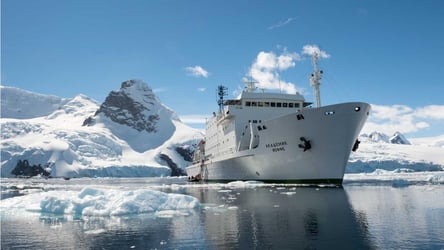
One Ocean Expeditions' vessel, Akademik Loffe, took FlowCam on a 22 day cruise with a team of scientists, students, and a film crew to study the …
Read Post
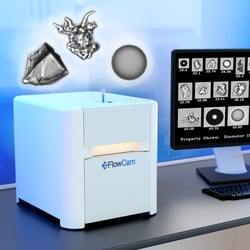
Light obscuration (LO) is currently the compendial method for quantifying subvisible particles equal to or greater than 10 µm and 25 µm in biologic …
Read Post
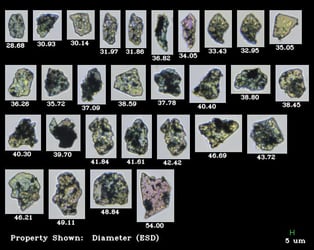
We talk a lot about FlowCam for biopharmaceutical and aquatic applications. The high-quality images resulting in detailed particle morphology data …
Read Post
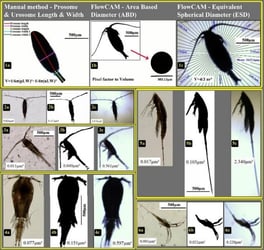
Why is FlowCam's Area-Based Diameter (ABD) More Accurate than Manual Microscopy When Measuring the Biovolume of Copepods? Aquatic scientists have …
Read Post
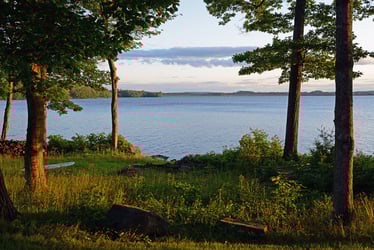
7 Lakes Alliance is a conservation organization with a mission to safeguard the Belgrade Lakes Region by preserving clean water, protecting local …
Read Post

Whether monitoring for harmful algae blooms (HABs), assessing the food supply for filter-feeding bivalves, or determining the health and viability of …
Read Post
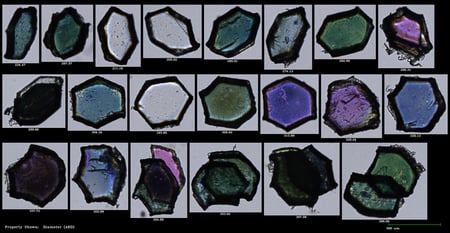
Ever wonder if you could use your FlowCam to study microplastics? The state of California thinks you can! In its 2021 Draft Microplastics in Drinking …
Read Post

"Versatility, ease of use, and student engagement" are among the chief reasons undergraduate programs choose FlowCam. Our team works with …
Read Post
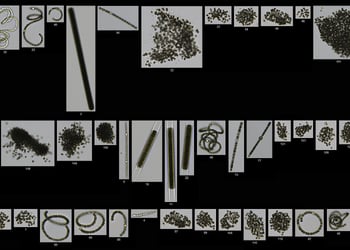
Our ability to predict and prevent harmful algal blooms is directly related to our ability to research and understand cyanobacteria. Numerous studies …
Read Post