


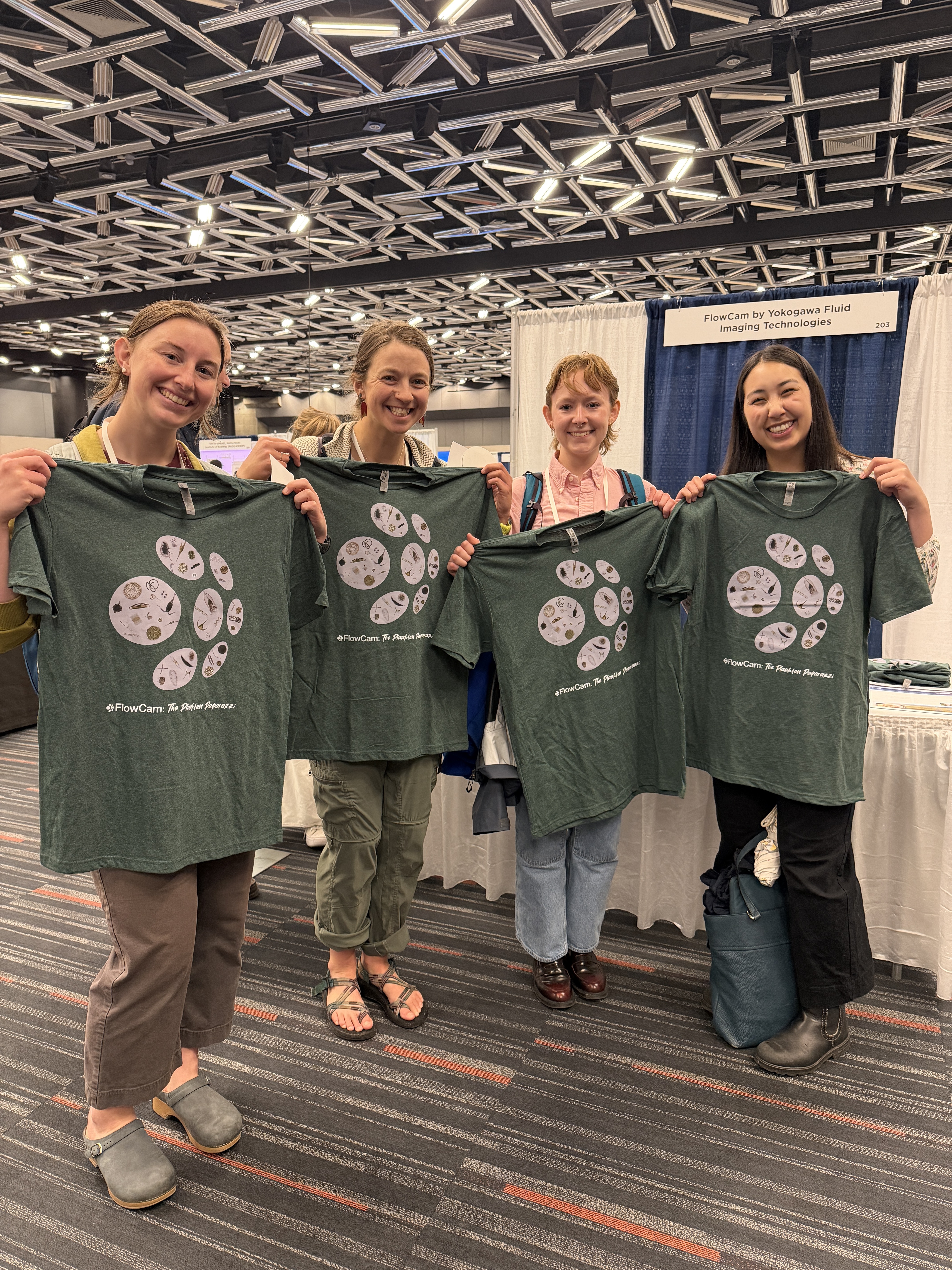
This May, we attended the ASLO-SIL Joint Meeting in Montréal—a landmark gathering that brought together over 1,600 limnologists and oceanographers from around the world. The collaboration between the Association for the Sciences of Limnology and Oceanography (ASLO) and the International Society of Limnology (SIL) made this the largest summer ASLO meeting ever, and the scientific energy throughout the week reflected that scale.
The meeting's theme, Aquatic Confluence: Science, People, Knowledge, set the tone for a week of genuinely cross-disciplinary exchange. Sessions spanned the full freshwater-to-marine continuum, with researchers from both realms actively learning from one another on topics ranging from greenhouse gas flux and carbon cycling to invasive species, HABs, and the physics of stratification. For those of us working with plankton imaging, it was especially exciting to see how broadly the community is pushing the boundaries of what imaging-based approaches can reveal.
FlowCam User Collaboration
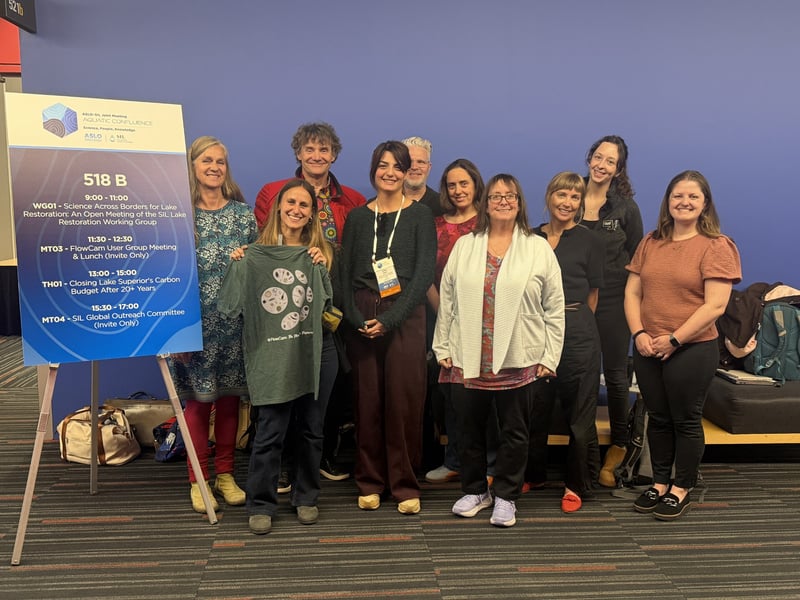
On the first day of the meeting, we brought FlowCam users together for lunch to discuss practical topics that come up frequently in day-to-day research: data management, classification, biovolume, and optics. We're hoping to make this kind of gathering a regular part of our conference presence; if you'd like to be notified about future events, you can subscribe to our monthly newsletter.
Workshop: FlowCam for HAB Research & Monitoring
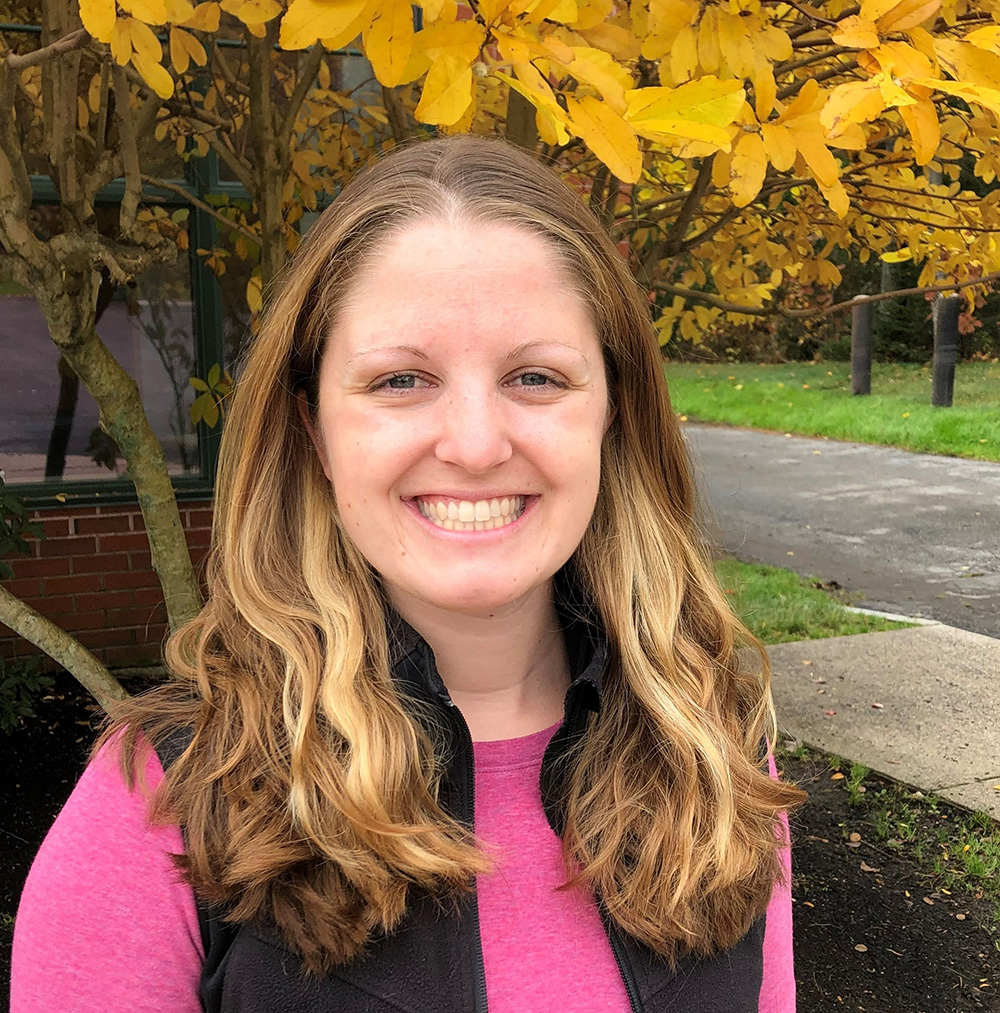
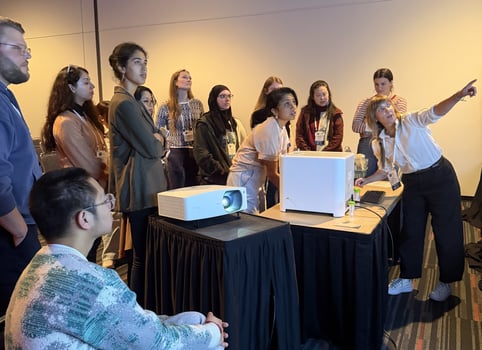
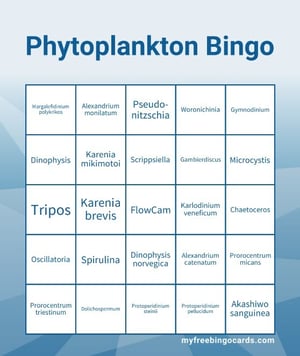 Later in the week, we hosted an evening workshop for researchers new to flow imaging microscopy. Leah Anne Gibala-Smith opened with examples of FlowCam applications spanning the freshwater-to-marine continuum, with a focus on HAB monitoring and identification—a fitting theme given how central HAB research was to the broader meeting. We also introduced a phytoplankton bingo game to test participants' taxonomic knowledge (the prize competition was fierce!).
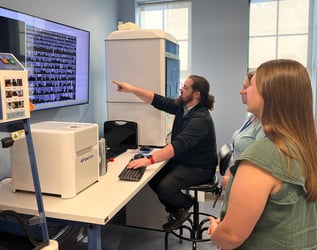
Polly Barrowman followed with a live demonstration covering data acquisition, particle measurement, classification, and export. Questions ranged from optics and sample preparation to classification workflows and data management.
Key Themes in Plankton Research
A few threads ran through many of the talks and poster sessions we attended:
HABs along the freshwater-marine continuum: Harmful algal bloom research was front and center, with multiple sessions dedicated to bloom dynamics, toxin release, monitoring strategies, and control methods. Researchers are grappling with the challenge that effective bloom suppression can sometimes have unintended ecological consequences, making high-capacity monitoring more important than ever.
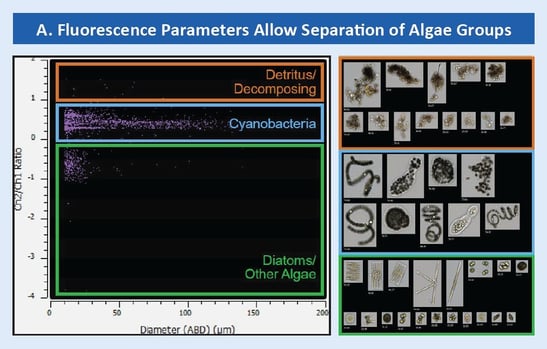
Imaging and classification tools for trait-based ecology: There was strong interest across the meeting in imaging-based approaches for characterizing plankton communities at scale. Researchers are increasingly using flow imaging microscopy alongside algorithmic classification tools to measure functional traits.
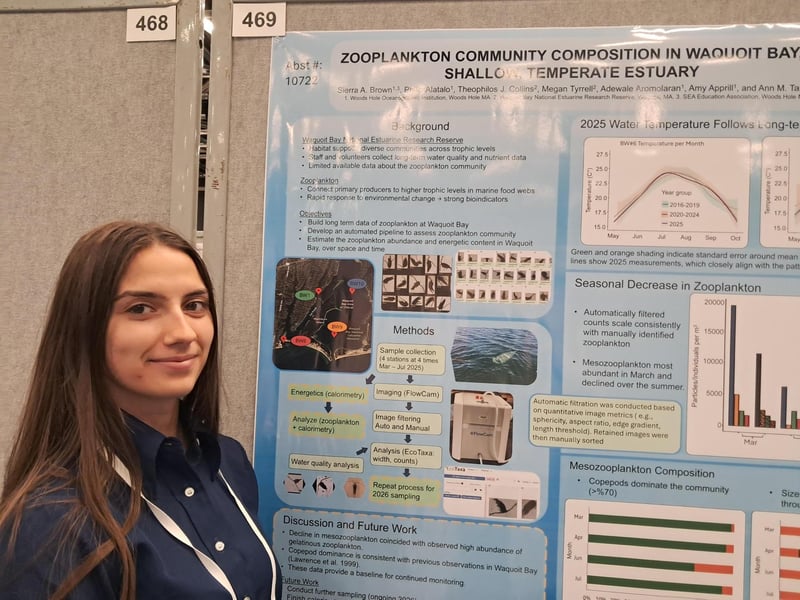
Pictured above: Sierra Brown, Woods Hole Oceanographic Institution, with her poster "Zooplankton Community Composition in Waquoit Bay, A Shallow, Temperate Estuary."
Plankton imaging applied to new questions: In conversations at poster sessions and in the exhibit hall, we discussed FlowCam being applied in some genuinely novel ways, like studying particle sinking rates and tracking infections in phytoplankton populations. These applications reflect a broader trend in the field toward linking organism-level observations to ecosystem-scale processes.
Looking Ahead
The scientific conversations at this meeting reinforced how much momentum there is around imaging-based approaches in aquatic ecology. From HAB monitoring to trait-based food web research to biogeochemical questions, researchers are finding new ways to put flow imaging microscopy to work, and it was energizing to see that community come together in one place.
Mark your calendars for the next ASLO meeting in San Juan, Puerto Rico, in 2027. In the meantime, you'll find Leah at the Phycological Society of America (PSA) meeting in Juneau this June, and Polly at AWWA ACE in Washington, DC. For a full list of upcoming conferences where we'll be, check out our event calendar.